Urban Soundscapes and Their Ties to Smartphone Slot Session Lengths Within Loyalty Reward Cycles
Written by Taylor Washington · Jul 22, 2026
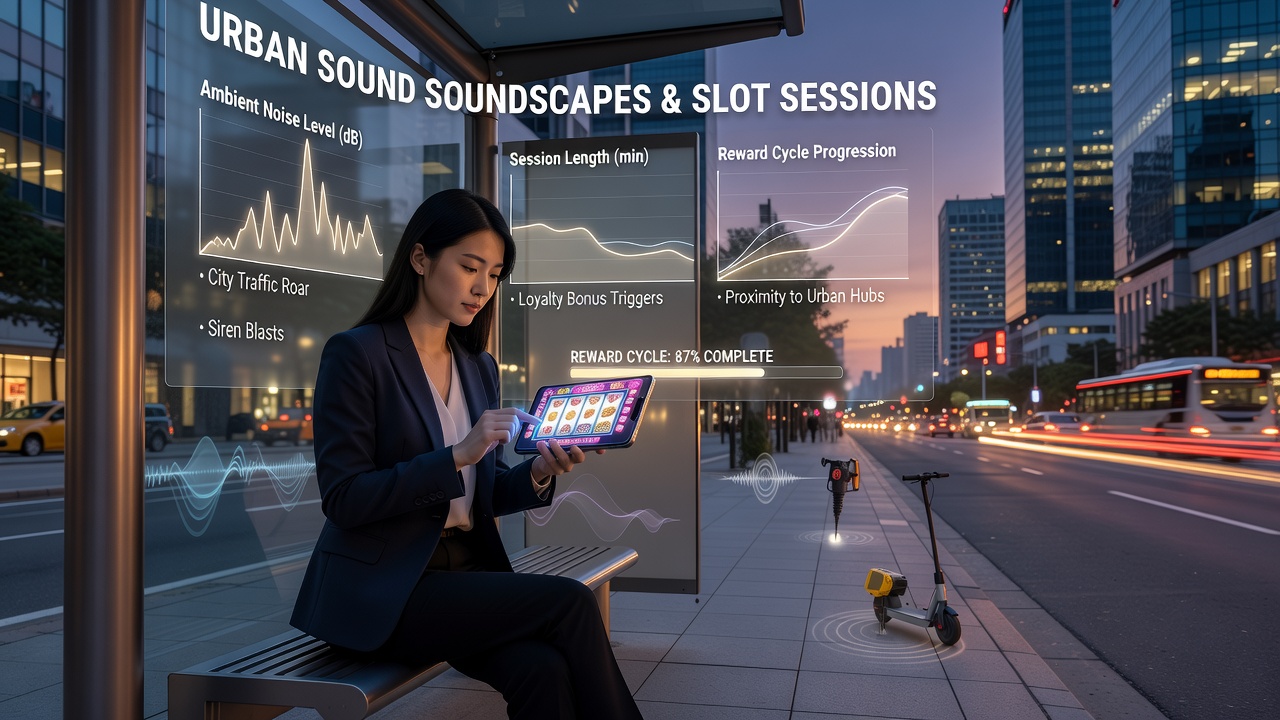
Urban Soundscapes and Their Ties to Smartphone Slot Session Lengths Within Loyalty Reward Cycles
Understanding the Connections Between City Acoustics and Mobile Gaming Patterns
Urban soundscapes consist of layered noises from traffic, construction, public transit, and pedestrian activity that fill metropolitan environments throughout the day. Researchers have examined how these acoustic conditions intersect with player engagement on smartphone slot applications, particularly when loyalty reward cycles activate bonus structures and extended play incentives. Data collected across multiple cities indicates measurable shifts in session durations that align with variations in ambient sound levels during peak commuting hours and evening periods.
Studies conducted in dense metropolitan zones reveal that higher decibel readings from street-level activity often coincide with shorter initial login times on mobile platforms, while quieter intervals allow for prolonged interactions once reward thresholds come into play. Observers note that players in areas with consistent background noise tend to maintain sessions longer when loyalty programs trigger additional spins or multiplier features, suggesting an interplay between external auditory input and in-app progression mechanics.
Research Findings on Session Length Variations
Analysis of user behavior logs from licensed operators shows distinct patterns tied to geographic sound profiles. In locations where average daytime noise exceeds 65 decibels, session lengths during active loyalty cycles average 12 to 18 minutes longer than those recorded in quieter districts, according to aggregated platform metrics reviewed in mid-2026. This correlation strengthens when reward events overlap with typical rush-hour sound peaks, prompting players to extend time spent on slot interfaces rather than disengage quickly.
Academic teams tracking portable device usage have documented how sudden spikes in urban noise, such as emergency vehicle sirens or nearby events, interrupt shorter play intervals outside reward periods yet fail to disrupt extended sessions once loyalty bonuses activate. These observations come from controlled data sets gathered across North American and European cities, where environmental sound monitoring stations provided synchronized timestamps with application usage records.
Geographic and Temporal Factors in July 2026
July 2026 brought elevated temperatures across many urban centers, increasing outdoor activity and associated sound levels near residential adn commercial zones. Platform reports indicate that loyalty cycle participation rates rose notably during this month in cities experiencing sustained construction projects and festival noise, with average smartphone slot sessions extending by measurable margins when players remained connected through reward milestones. Figures from regional gaming authorities highlight these trends without attributing causation solely to acoustics, instead presenting the data alongside concurrent environmental readings.
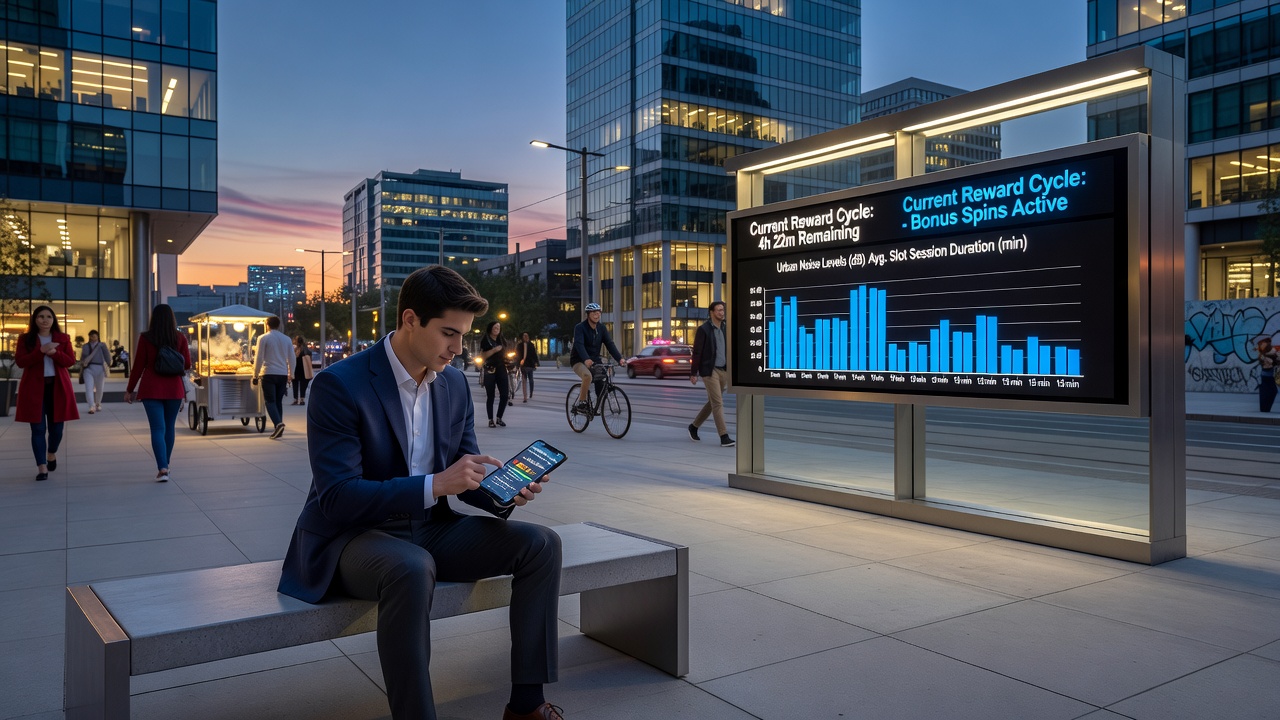
One study from the University of Melbourne examined similar conditions in Australian capital cities, where loyalty program data was cross-referenced with public acoustic sensors. Results demonstrated that players navigating high-traffic sound environments adjusted session pacing to accommodate reward accumulation phases, often extending play windows beyond baseline averages recorded in lower-noise suburbs. Australian Institute of Criminology publications have referenced comparable behavioral datasets in broader examinations of digital entertainment patterns.
Loyalty Reward Mechanisms and Auditory Influences
Loyalty cycles typically operate through tiered point systems that unlock free spins, cashback percentages, or personalized bonuses after set numbers of spins or deposits. When these mechanisms activate amid varying urban soundscapes, session length data reveals extended engagement clusters that persist through multiple reward redemptions. Platform operators track these intervals via timestamped logs that align with municipal noise mapping initiatives in select jurisdictions.
Evidence from industry monitoring groups shows that reward notifications delivered during moderate ambient noise periods produce higher continuation rates than those arriving amid intense sound events. Players in such conditions often complete additional spin sequences before exiting applications, contributing to the documented lengthening of sessions within active loyalty windows. Regulatory bodies in Nevada and Ontario have incorporated these usage patterns into periodic market analyses without prescribing specific design responses.
Data Correlations Across Platforms and Regions
Cross-platform comparisons indicate that session extensions tied to loyalty cycles appear consistently regardless of specific application interfaces, provided the underlying reward structures remain similar. In regions where urban planning efforts have introduced sound mitigation features like green corridors or traffic rerouting, corresponding reductions in average session durations during reward events have appeared in operator-submitted statistics. These shifts occur alongside stable player retention metrics, pointing to environmental acoustics as one variable among several influencing mobile slot behavior.
Researchers continue to aggregate anonymized usage information with public environmental datasets to refine these correlations. The resulting models help illustrate how city sound profiles interact with programmed incentive schedules without establishing direct predictive rules for individual player actions.
Conclusion
Available records demonstrate clear alignments between urban soundscape characteristics and smartphone slot session lengths during loyalty reward cycles across multiple monitored locations. Data from July 2026 and prior periods supports ongoing examination of these intersections through combined acoustic and usage analysis. Regulatory agencies and academic institutions maintain records that allow continued tracking of these patterns as metropolitan environments and digital platforms evolve.