The Influence of Push Notification Timing on Live Casino Game Participation Among Mobile Users
Written by Gisela Schmidt · Jun 29, 2026
The Influence of Push Notification Timing on Live Casino Game Participation Among Mobile Users
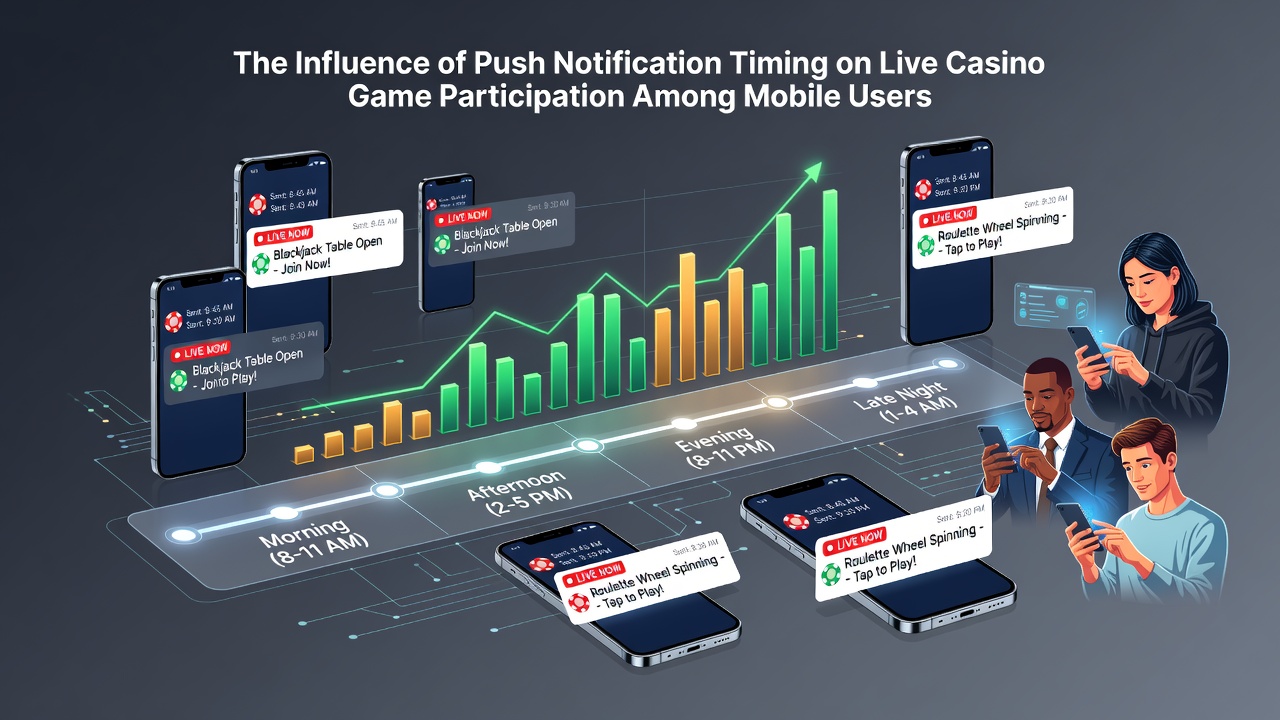
Push notifications have become a central tool for mobile casino platforms seeking to drive participation in live dealer games, and the timing of those alerts plays a measurable role in how users respond. Data from analytics firms shows that notifications sent during commute hours generate higher click-through rates than those delivered late at night, while early evening messages correlate with increased session lengths once users enter live tables. Researchers tracking mobile behavior note that these patterns hold across multiple markets because users tend to check their devices during predictable windows when they have both connectivity and attention available.
How Timing Shapes Initial Engagement
Studies conducted on large user cohorts reveal that alerts arriving between 7 a.m. and 9 a.m. local time produce the strongest immediate opens for live casino content, whereas messages pushed after 11 p.m. show noticeably lower conversion into active tables. The difference appears because morning notifications reach users who are already scrolling while traveling or during breaks, creating a direct path from alert to app launch. Afternoon notifications sent around 3 p.m. to 5 p.m. also perform well, though the resulting sessions often involve shorter table visits compared with those started in the morning window.
Platform operators have adjusted their schedules accordingly, and figures from several North American markets indicate that optimized timing has lifted daily active participation in live roulette and blackjack rooms by measurable percentages. Observers note that the effect is strongest among users aged 25 to 44 who maintain consistent work or travel routines, allowing operators to map notification windows to those established habits rather than relying on generic broadcast times.
Regional Patterns and Platform Adjustments
Participation data collected across different time zones shows that users in urban centers respond more readily to notifications timed with public transit schedules, while suburban users show stronger engagement when messages arrive during early evening family downtime. These variations have prompted operators to segment their notification systems by location and device usage history, a shift that became more pronounced as live dealer traffic grew through the first half of 2026. In June 2026, several major platforms reported that refined timing protocols contributed to steady month-over-month increases in mobile live game entries despite broader market pressures.
Industry reports from organizations such as the American Gaming Association highlight how these segmentation tactics rely on aggregated behavioral data rather than individual tracking, helping operators maintain compliance with regional privacy rules while still improving reach. Similar approaches appear in Australian markets, where regulators require clear opt-in mechanisms that have encouraged platforms to focus on precise timing to maintain user interest without increasing notification volume.
Session Length and Retention Effects
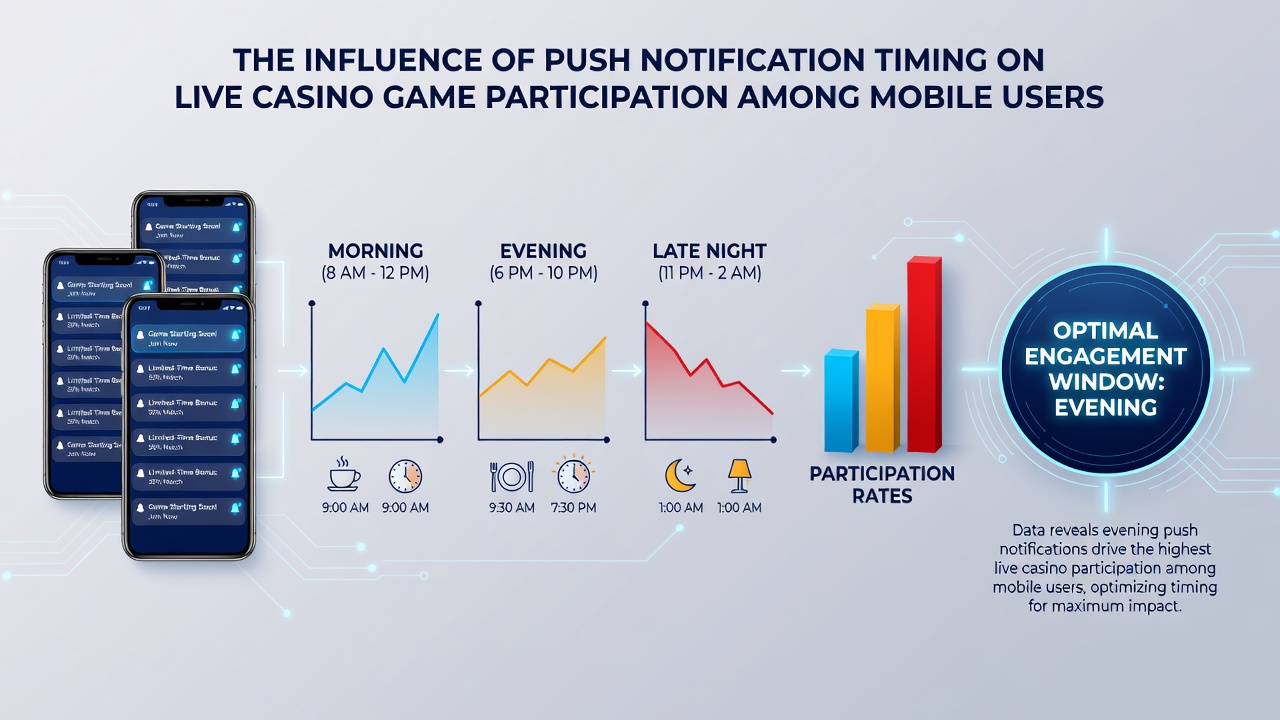
Longer sessions tend to follow notifications delivered in the early evening, when users have completed daily responsibilities and can remain connected for extended periods. Analytics platforms tracking table occupancy find that live game rooms experience peak concurrent mobile users between 7 p.m. and 10 p.m. in most regions, and alerts arriving just before these windows produce higher retention into the second and third hands played. Morning notifications, by contrast, often lead to quick visits that end once users reach their destinations, though the cumulative volume of short sessions adds up across large user bases.
One analysis of blackjack and roulette traffic on portable devices found that users who opened apps after a 5 p.m. notification stayed an average of 14 minutes longer than those responding to midday alerts. These differences matter because live dealer games require sustained presence at tables to generate meaningful activity, and operators have begun weighting their notification calendars toward periods that extend rather than merely initiate participation.
Device and Interface Considerations
Mobile operating systems influence how quickly users notice and act on notifications, with researchers observing that iOS devices show faster response rates to alerts sent during lunch hours compared with Android devices, which perform better during early evening windows. Interface design plays a supporting role as well, since push messages that include direct links to specific live tables reduce the steps between notification and participation. Platforms that tested these direct-entry features reported higher conversion from alert to active seat when timing aligned with user availability rather than relying solely on message content.
Experts examining navigation flows on handheld platforms have documented how users who receive well-timed notifications are more likely to proceed from lobby to live dealer selection without intermediate browsing, shortening the path to actual game participation. This efficiency becomes especially relevant during periods of high table demand, such as weekend evenings when dealer availability can fluctuate.
Conclusion
Timing remains one of the more controllable variables in mobile live casino marketing, and the data collected through mid-2026 demonstrates consistent relationships between notification windows and both initial engagement and session duration. Operators continue to refine their approaches using aggregated regional patterns and device-specific insights while staying within regulatory frameworks that govern messaging frequency and consent. As live dealer participation on mobile devices grows, the ability to match notification timing with established user routines offers a practical method for sustaining activity across different markets and time zones.