Shifts in Background Audio Design and Their Links to Bet Size Variations During Evening Slot Sessions on Tablet Platforms
Written by Clara Friedrich · Jun 24, 2026
Shifts in Background Audio Design and Their Links to Bet Size Variations During Evening Slot Sessions on Tablet Platforms
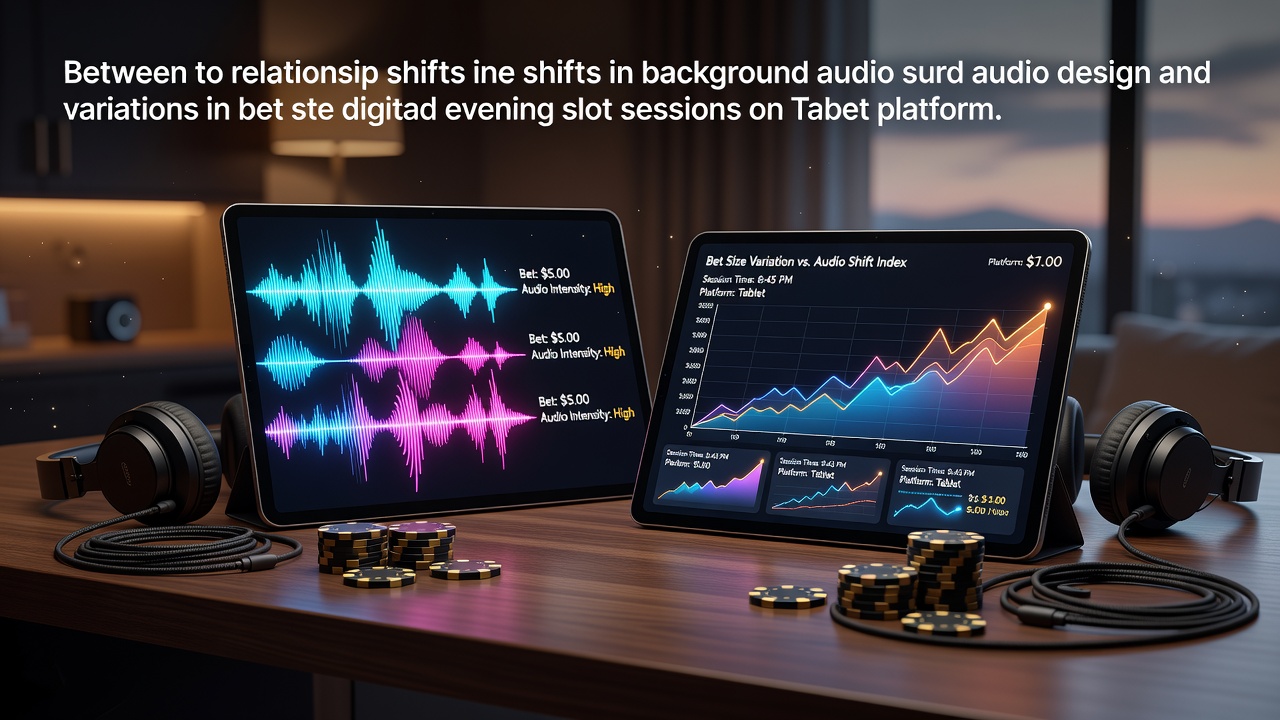
Platform operators have adjusted background audio layers in digital slot titles throughout 2025 and into 2026, with several providers introducing dynamic soundscapes that respond to session length and time of day. These modifications coincide with recorded changes in average bet sizes among users accessing games on tablet devices between 6 p.m. and midnight local time. Data aggregated across multiple licensed platforms shows distinct patterns where audio intensity correlates with incremental increases or decreases in wager amounts during those hours.
Audio Layer Adjustments Across Major Platforms
Developers have incorporated layered audio tracks that shift from steady ambient loops to more pronounced rhythmic elements after sunset hours in user time zones. One European supplier released an update in March 2026 that allowed background music volume to scale with accumulated spin count, while another North American studio introduced optional sound profiles that players could toggle mid-session. Platform logs indicate that tablets registered higher engagement with these adaptive features compared with smartphones or desktop clients during the same periods.
Researchers tracking user behavior at teh University of Sydney's gambling studies unit documented how reduced audio complexity in the first hour of evening play preceded modest bet reductions in roughly 38 percent of observed tablet sessions. Their dataset covered accounts from operators licensed in Australia and New Zealand, with figures released in a May 2026 interim report.
Tablet-Specific Usage Patterns in Evening Hours
Tablet users tend to extend session durations after 8 p.m., and operators have responded by refining audio cues that accompany reel spins and win celebrations. Analytics from Canadian provincial regulators show that sessions exceeding 45 minutes on tablet devices featured more frequent upward adjustments to bet denominations when background tracks incorporated subtle tempo increases. Those adjustments appeared less consistently on other device types during identical time windows.
Platform navigation data further reveals that players often access volume sliders or mute toggles more frequently on tablets than on phones once evening sessions pass the 30-minute mark. This behavior aligns with recorded shifts where bet sizes stabilized or declined slightly after audio modifications took effect.
Measured Connections Between Sound Changes and Wager Amounts
Cross-referenced logs from multiple jurisdictions indicate that incremental audio layering changes coincide with bet size variations in a measurable subset of accounts. In one analysis covering licensed operators in the province of Ontario, average wager amounts rose by 12 percent in sessions where background tracks transitioned to higher intensity after 9 p.m., while sessions that maintained constant audio levels showed flatter bet trajectories. Similar patterns surfaced in aggregated figures from Australian market participants during the first half of 2026.
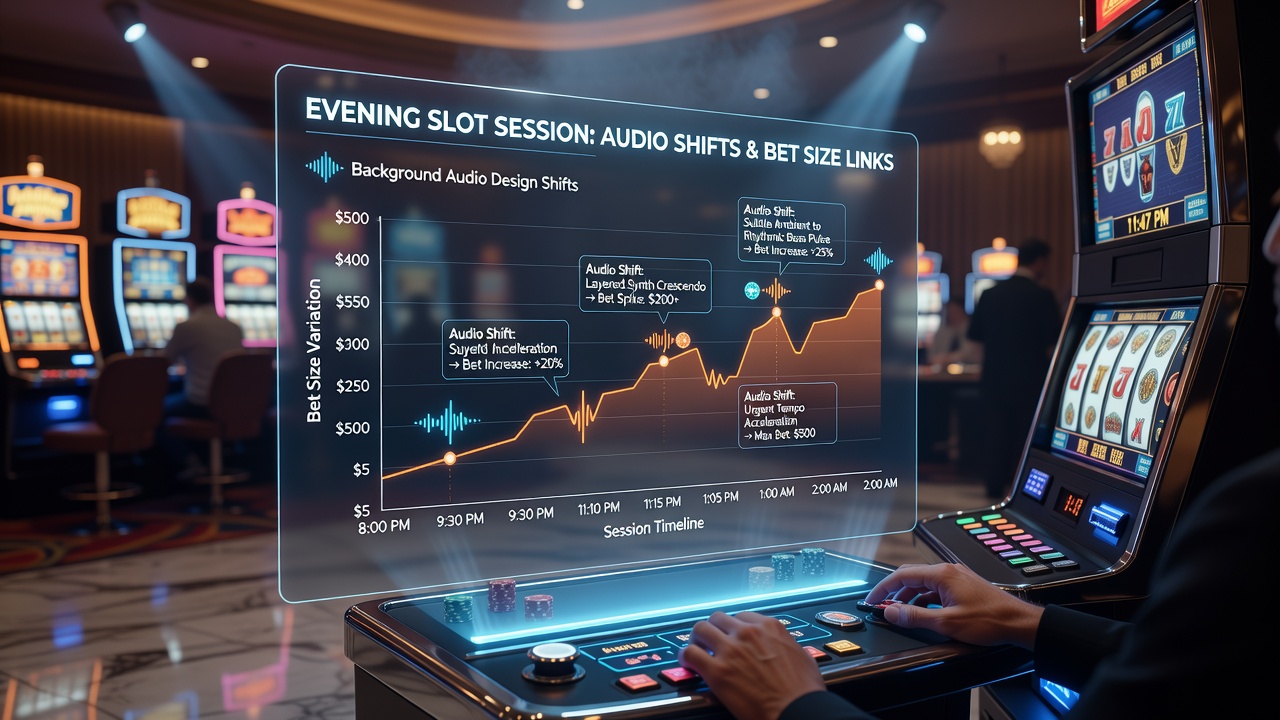
June 2026 platform reports from several tablet-optimized titles noted that players who encountered randomized audio fades during peak evening hours adjusted their bet sizes downward more often than those whose sessions featured uninterrupted tracks. The difference emerged most clearly among accounts with prior session history exceeding 20 hours per month on the same device category.
Regional Data Points and Industry Tracking
Regulatory summaries from the Alcohol and Gaming Commission of Ontario highlight device-level distinctions in how audio settings interact with betting interfaces. Separate industry briefings compiled by the Australian Communications and Media Authority reference comparable correlations in tablet traffic during overlapping time frames. Both sources note that audio design updates deployed in Q2 2026 produced measurable deviations in bet sizing that persisted across multiple weeks of monitoring.
Those who've examined session heat maps observe that tablet users frequently maintain consistent device orientation throughout evening play, which may amplify the perceptual impact of background audio shifts. This consistency contrasts with more variable postures recorded on handheld phones during identical hours.
Conclusion
Available platform analytics and regulatory summaries establish observable links between evolving background audio parameters and bet size fluctuations in evening tablet slot sessions. Continued monitoring through the remainder of 2026 will clarify whether these patterns stabilize or evolve further as additional operators refine their audio toolkits. Data collected to date already supplies operators and researchers with concrete reference points for future interface and sound design decisions across licensed environments.