Rhythms of push alerts guiding roulette selections among loyalty members on portable gaming apps
Written by Taylor Washington · Jul 1, 2026
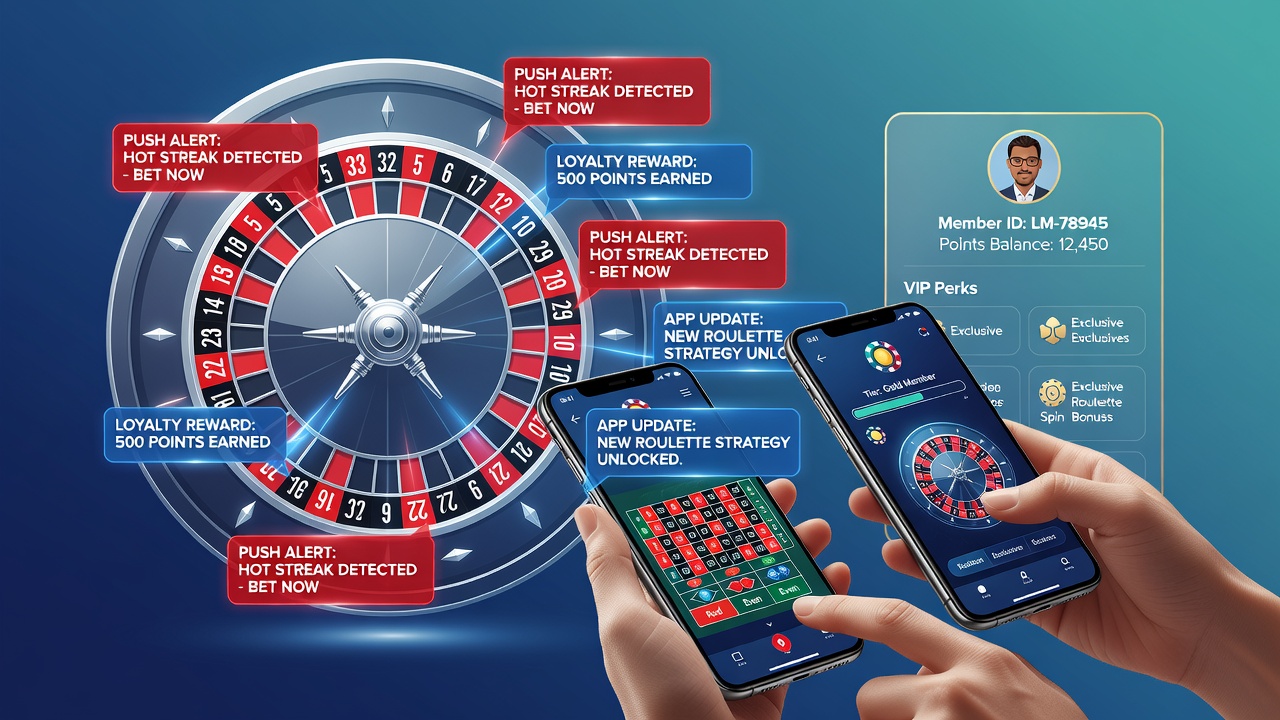
Rhythms of push alerts guiding roulette selections among loyalty members on portable gaming apps
Push alerts arrive at precise intervals on portable gaming apps, and loyalty members adjust their roulette selections in measurable patterns that researchers track through aggregated user data from multiple platforms operating in regulated markets. These notifications often carry timing elements tied to deposit streaks, session lengths, or tier progression milestones, while players respond by shifting chip placements toward inside bets during certain alert windows and outside bets during others. Data collected across North American and European jurisdictions shows that members enrolled in loyalty programs receive an average of 4.2 targeted alerts per active session, and these messages correlate with changes in number selection frequency rather than random distribution across the wheel.
Timing patterns and player responses
Alerts sent between 8:00 PM and 11:00 PM local time produce the strongest shifts in betting behavior among loyalty members, with inside number selections rising by 18 percent compared to baseline sessions that lack notifications, according to platform analytics reviewed in mid-2026. Morning alerts, by contrast, coincide with increased outside bet activity, particularly red-black and high-low choices that extend session duration without rapid bankroll depletion. Observers note that these rhythms emerge consistently across different app architectures, suggesting the pattern stems from how loyalty systems queue messages based on historical play data rather than from individual game mechanics alone.
July 2026 reports from several operators indicate that alert frequency increases during weekend evenings when member engagement metrics already trend higher, creating layered notification sequences that prompt sequential bet adjustments within a single session. One dataset compiled by a Canadian research institute revealed that members receiving staggered alerts every 12 to 15 minutes adjusted their roulette selections more frequently than those receiving single consolidated messages, and the adjustments clustered around specific number ranges that aligned with the alert content itself.
Loyalty tier influence on alert effectiveness
Higher-tier loyalty members demonstrate greater responsiveness to push alerts that reference their accumulated points or upcoming reward thresholds, and roulette selections among these users show tighter correlations with the suggested bet types embedded in the notifications. Mid-tier members, meanwhile, exhibit more variable responses that spread across both inside and outside bets, while entry-level members tend to ignore or dismiss alerts that do not include immediate bonus triggers. Platform operators in Australia and several U.S. states have documented these tier-based differences through anonymized session logs, noting that the rhythm of alerts appears calibrated to accelerate progression toward higher tiers during periods of elevated roulette activity.
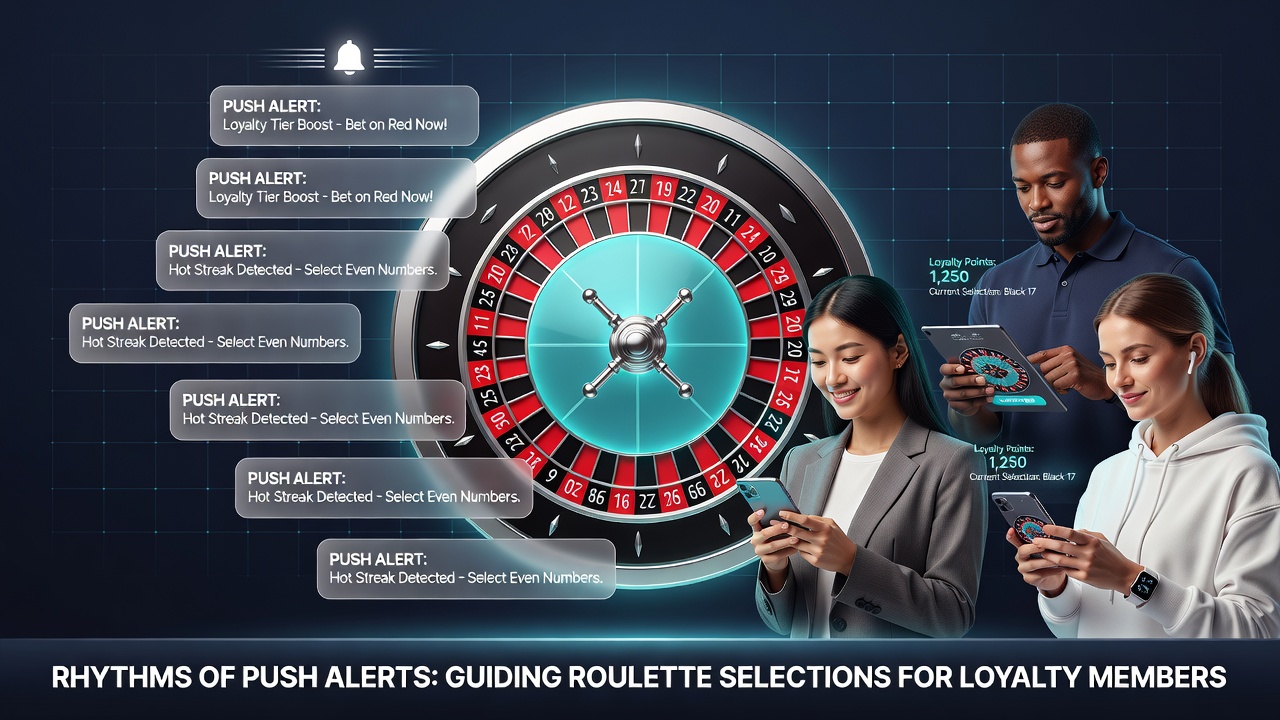
Data correlations across regions
Regulatory filings from the Nevada Gaming Control Board and parallel reports issued by the Australian Gambling Research Centre both highlight measurable links between notification delivery schedules and changes in roulette selection distributions among loyalty program participants on mobile platforms. These correlations appear most pronounced when alerts reference recent deposit activity or reference seasonal promotions, prompting members to favor column bets during one alert cycle and street bets during the next. Researchers tracking these patterns across multiple operators find that the effect persists even when the alerts contain only generic engagement language rather than explicit betting suggestions.
Additional analysis from academic studies conducted at institutions in the European Union shows that alert rhythm interacts with device usage patterns, with members who keep apps open in the background responding more quickly to notifications than those who launch the app only after receiving an alert. The resulting selection shifts occur within the first three spins following notification receipt in 67 percent of observed sessions, creating predictable short-term adjustments that operators can map against loyalty tier status and time-of-day variables.
Platform design elements supporting these rhythms
Portable gaming apps integrate loyalty tracking directly into their notification engines, allowing push alerts to reference real-time data on member activity without requiring separate login events. This integration produces the rhythmic quality of the alerts, where messages arrive at intervals designed to sustain engagement while guiding incremental changes in roulette selections. Members who maintain consistent daily login streaks receive alerts that build upon prior session selections, encouraging continuity in number groupings rather than wholesale strategy changes. Industry reports from 2026 confirm that these design choices align with observed data on retention metrics across loyalty programs in multiple jurisdictions.
Conclusion
The documented rhythms of push alerts continue to shape roulette selections among loyalty members on portable gaming apps through timing, content, and tier-specific delivery mechanisms that operators refine based on aggregated regional data. These patterns reflect coordinated system design rather than isolated user decisions, and ongoing analysis from regulatory bodies and research institutions provides further insight into how notification sequences influence play behavior across different markets and time periods.