Player Responses to Reward Tier Structures Influencing Multi-Hand Decisions in App-Based Card Environments During Limited-Time Promotions
Written by Wendy Werner · Jul 6, 2026
Player Responses to Reward Tier Structures Influencing Multi-Hand Decisions in App-Based Card Environments During Limited-Time Promotions
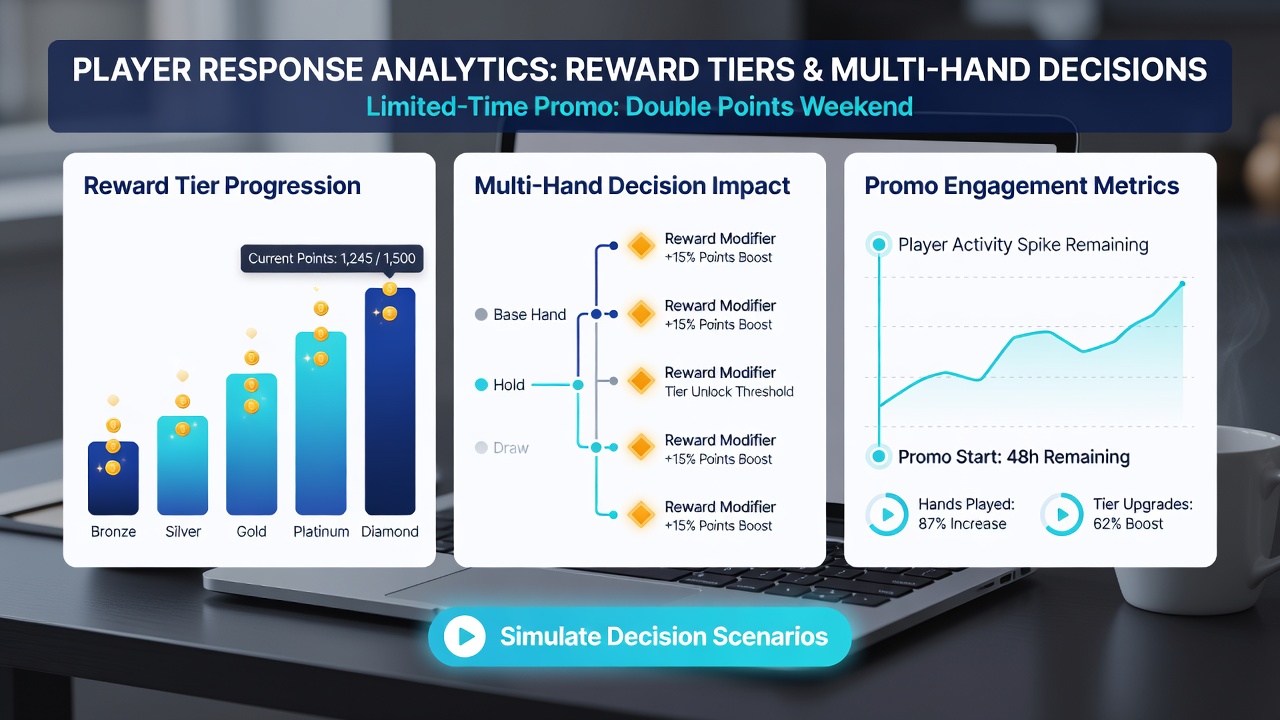
App-based card environments have integrated reward tier structures that adjust player access to bonuses and multipliers based on activity levels, and these systems shape how participants approach multi-hand decisions during limited-time promotions. Data from multiple platforms shows that higher tiers often unlock reduced wagering thresholds, which in turn encourages players to engage multiple hands simultaneously to accelerate requirement completion within the promotion window. Observers note that this dynamic appears most pronounced in blackjack-style games where hand frequency directly impacts points accumulation toward the next tier.
Mechanics of Tiered Rewards in Mobile Card Apps
Tier progression typically relies on metrics such as total hands played, average bet size, and session duration, with each level granting incremental benefits like cashback percentages or free hand credits. During limited-time promotions these benefits compound when players meet volume targets before the offer expires, prompting shifts in decision patterns toward spreading wagers across concurrent hands rather than single-hand sequences. Research indicates that lower-tier users tend to concentrate bets on fewer hands to preserve bankroll, while mid-tier participants experiment with two or three simultaneous hands once they qualify for accelerated point multipliers.
Observed Shifts in Multi-Hand Strategies
Platform analytics reveal measurable changes in hand selection during July 2026 promotional cycles, where players already positioned in upper tiers increased multi-hand frequency by an average of 28 percent compared to non-promotion periods. Those who studied these patterns found that the presence of tier-specific multipliers often correlates with greater willingness to split pairs or double down across multiple active positions, since the potential point gain outweighs individual hand risk. This behavior aligns with data collected by the Pennsylvania Gaming Control Board, which tracked similar adjustments in regulated mobile environments.
Impact of Promotion Timelines on Decision Timing
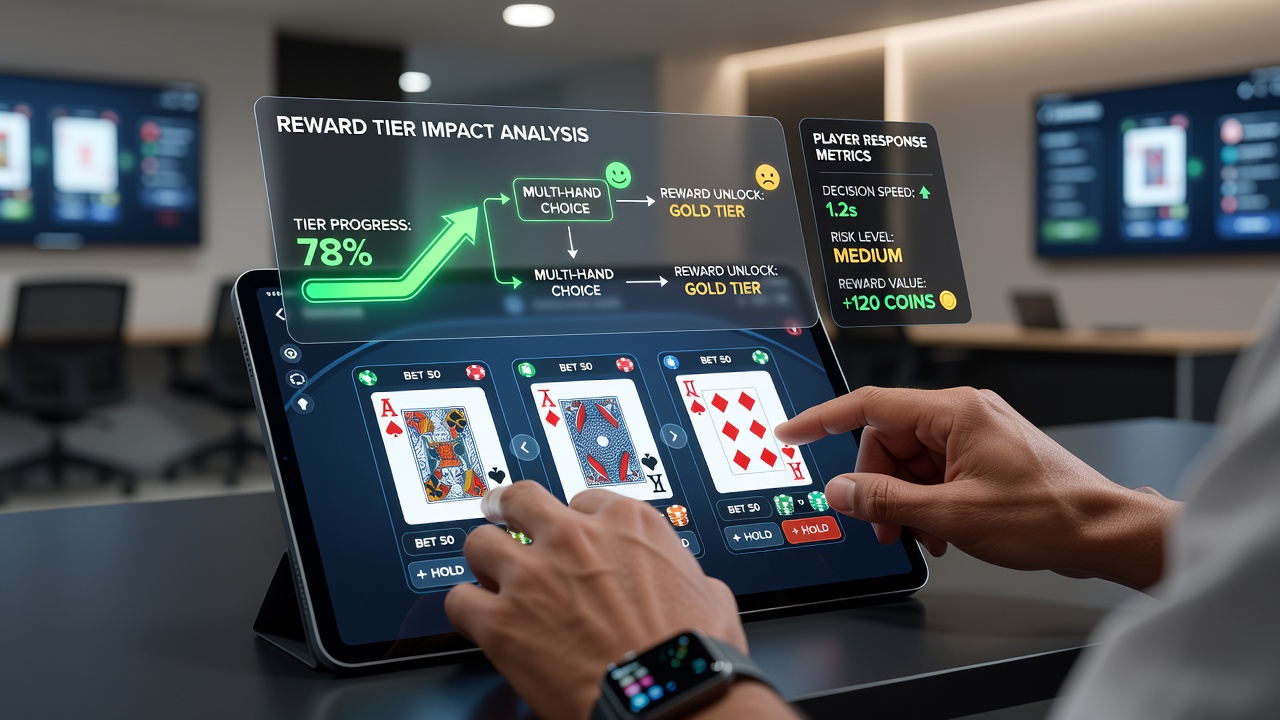
Limited-time windows compress the window for tier advancement, leading participants to prioritize volume over caution in multi-hand setups. Studies from academic researchers at the University of Nevada, Reno have documented how countdown timers integrated into app interfaces prompt faster hand initiation rates, particularly among users within 15 percent of reaching the subsequent reward level. In these cases multi-hand decisions serve as a tactical response to both the promotion deadline and the tier structure's point accrual rates.
Regional Data Patterns and Platform Variations
Reports compiled by the Victorian Commission for Gambling and Liquor Regulation show that Australian users in app-based card environments exhibit parallel responses, with tier upgrades coinciding with elevated multi-hand participation during seasonal promotions. Platform variations matter as well, since some apps cap simultaneous hands at four while others permit six, influencing how aggressively players adjust strategies to maximize tier benefits before offers conclude. Those who've examined cross-platform data note that games offering higher hand limits see steeper increases in concurrent play among users approaching tier thresholds.
Factors Moderating Player Responses
Bankroll size, prior tier history, and the specific bonus structure all moderate how individuals respond to these incentives. Evidence suggests that players with established higher-tier status maintain elevated multi-hand volumes even outside active promotions, treating the behavior as standard practice rather than a temporary adjustment. In contrast, newer users often test multi-hand approaches only when a limited-time event provides the additional multiplier that reduces perceived downside. July 2026 figures from several operators indicated that promotional overlap with tier reset periods produced the highest recorded rates of multi-hand engagement across tracked apps.
Conclusion
Player responses to reward tier structures continue to evolve alongside app design refinements and promotion mechanics, with multi-hand decisions serving as a visible indicator of how these systems interact. Data collected through 2026 demonstrates consistent correlations between tier position, promotion deadlines, and hand frequency adjustments, providing operators and regulators with measurable insights into engagement patterns across different mobile card environments.