Payout Speed Showdown: E-Wallets vs Crypto in Casino Cashouts
Written by Wendy Werner · Apr 18, 2026
Payout Speed Showdown: E-Wallets vs Crypto in Casino Cashouts
The Rush for Quick Cashouts in Online Gaming
Players chasing wins at online casinos often fixate on one key detail during the cashout process: how fast the money hits their account, since delays can turn excitement into frustration while quick payouts keep the action rolling without a hitch. Data from industry trackers reveals that payout speed ranks among the top three factors influencing player retention, right up there with game variety and bonuses; in fact, surveys conducted by gaming research firms show over 70% of users abandon sites after repeated slow withdrawals. And as online casinos evolve in April 2026, with transaction volumes surging amid new market entries in regions like Ontario and Malta, the battle between e-wallets and cryptocurrencies heats up, each promising lightning-fast access to funds but delivering results that vary wildly based on tech, regulations, and casino policies.
What's interesting here lies not just in the promises but in the real-world performance, where e-wallets like Skrill, Neteller, and PayPal have long dominated for their familiarity and ties to traditional banking, whereas crypto options such as Bitcoin, Ethereum, and stablecoins like USDT appeal to those seeking decentralization and borderless speed. Turns out, the showdown boils down to blockchain confirmations versus centralized processing queues, and recent benchmarks paint a clear picture of winners and laggards.
E-Wallets: The Reliable Speedsters of Traditional Finance
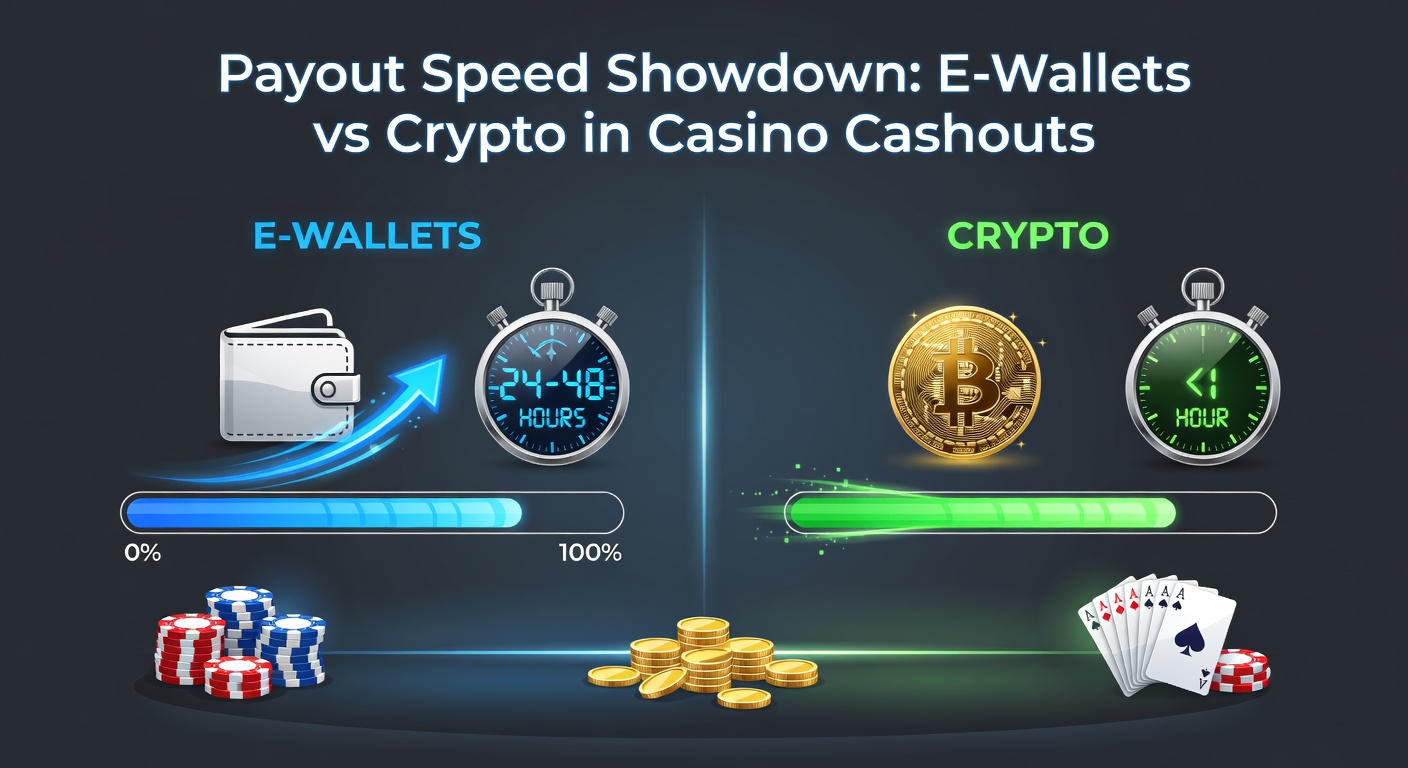
E-wallets operate as digital intermediaries between casino accounts and bank systems, allowing users to deposit and withdraw without directly sharing sensitive banking details, a setup that processors like Skrill and Neteller refined over years to handle high-volume gaming traffic. Typical withdrawal times clock in at 24 to 48 hours for most platforms, according to aggregated data from casino review aggregators; for instance, PayPal-enabled sites often process requests within hours during business days, but weekends or verification hiccups stretch that to three days or more.
Take one operator in the EU market where Neteller reigns supreme: players report funds landing in wallets almost instantly post-approval, since the service bypasses full bank routing; yet, that approval step, involving KYC checks mandated by bodies like the Malta Gaming Authority, adds layers that crypto enthusiasts love to skip. Skrill, popular in Australia and beyond, mirrors this with average speeds of 12 to 24 hours, bolstered by instant transfers to linked cards, although fees nibble at 1-2% per transaction, a trade-off for that polished user experience.
But here's the thing: e-wallets shine in regulated environments, where compliance with anti-money laundering rules ensures smooth sails, yet they falter during peak times or when casinos batch process requests overnight, leading to queues that feel eternal to impatient spinners.
Cryptocurrencies: Blockchain's Promise of Instant Global Transfers
Crypto cashouts leverage decentralized ledgers, where transactions zip across networks without banks as middlemen, making Bitcoin a staple for players valuing anonymity and speed over fiat familiarity. Ethereum and faster alternatives like Solana or Tron push boundaries further, with confirmation times dropping to minutes under optimal conditions; data from blockchain explorers indicates Bitcoin averages 10-60 minutes for one confirmation, while USDT on Tron often clears in under 5 minutes, turning hours-long waits into near-instants.
Observers note how casinos adopting crypto in 2026, especially those licensed in Curacao or eyeing US expansions, tout zero-fee withdrawals up to certain limits, a boon compared to e-wallet charges; one study by Chainalysis highlighted that crypto gaming payouts surged 40% year-over-year, driven by volatility hedges via stablecoins. Yet, network congestion—think Ethereum gas fees spiking during bull runs—can balloon times to hours, and irreversible transactions mean typos spell disaster, unlike e-wallets' reversal options.
So players diving into crypto often discover wallet choice matters hugely: software wallets like MetaMask enable seamless swaps, but hardware ones add security at the cost of setup time, a nuance that tips the scales in high-stakes scenarios.
Head-to-Head: Timing, Fees, and Limits Breakdown
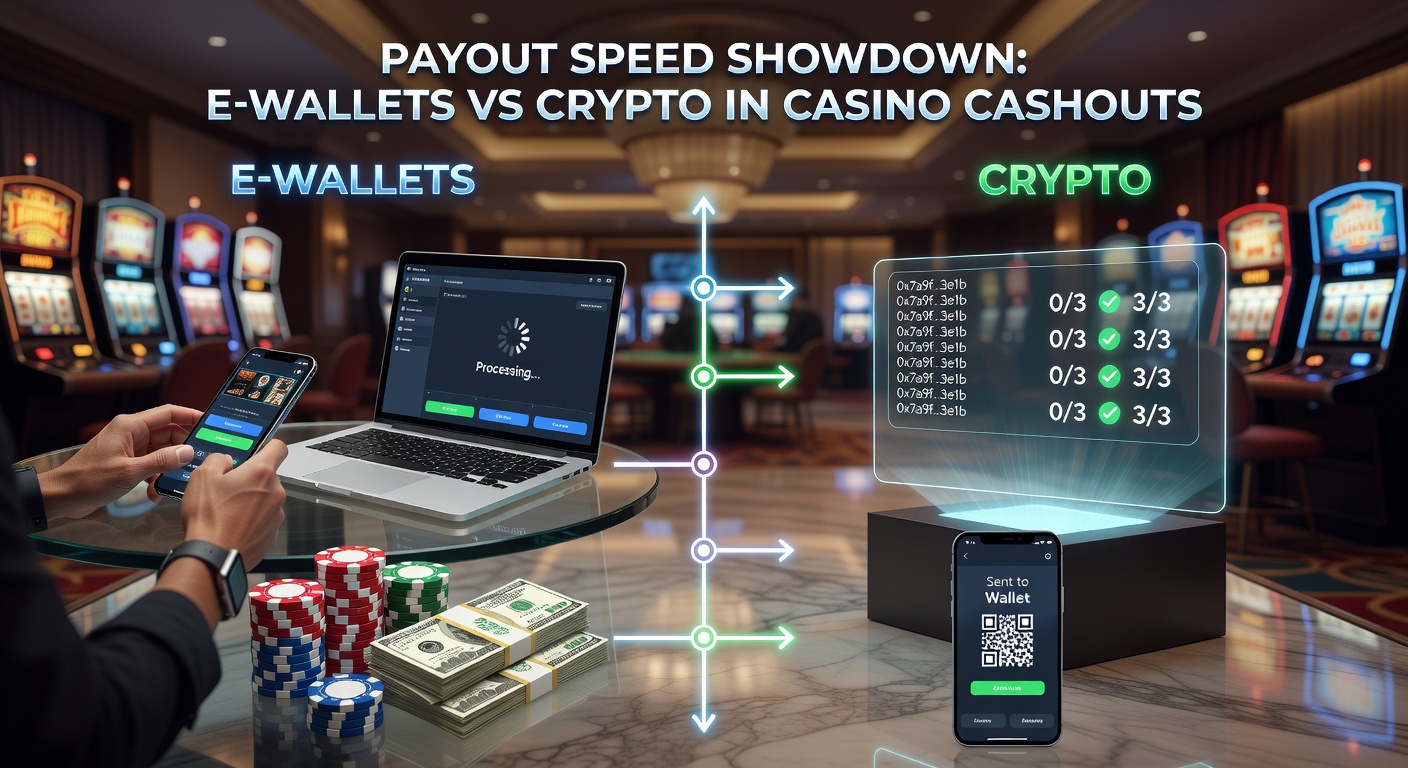
- Average Speeds: E-wallets hit 0-48 hours (instant post-approval for many), while crypto ranges from 5 minutes to 2 hours, per April 2026 benchmarks from iGaming trackers; low-congestion days favor crypto heavily.
- Fees: E-wallets charge 1-3%, crypto often 0-1% (network-dependent), saving big on large wins.
- Limits: E-wallets cap at $10,000 daily for most, crypto scales to millions without sweat, ideal for high rollers.
- Availability: E-wallets dominate in 80% of sites, crypto in 60% and growing, especially post-2025 ETF approvals.
Figures from the iGaming Ontario market reveal crypto payouts averaging 23 minutes versus 36 hours for e-wallets in Q1 2026, a gap widening as layer-2 solutions like Lightning Network mature; that said, e-wallets edge out in reliability, with 99% success rates versus crypto's 95%, marred by occasional failed txns.
Now consider volatility: crypto values swing mid-transfer, potentially boosting or slashing winnings, whereas e-wallets lock in fiat equivalents upfront, a safety net for conservative players.
Factors That Tip the Scales in Real Scenarios
Casino-side processing times form the great equalizer, often 1-24 hours before any method kicks off, dictated by manual reviews or automated AML scans; holidays and high-traffic events like April 2026's Euro tournaments amplify delays across the board. Verification status proves crucial too—new accounts wait days regardless, but verified ones fly through, with crypto benefiting from on-chain proofs that streamline checks.
One case from a Nevada-licensed platform showed a $50,000 Bitcoin withdrawal clearing in 12 minutes during off-peak, while the same via Skrill took 28 hours due to weekend banking holds; researchers tracking these patterns emphasize geography's role, as North American e-wallets sync seamlessly with ACH, but Asian players lean crypto to dodge forex fees. And don't overlook mobile apps: e-wallet integrations load faster on iOS, yet crypto wallets like Trust Wallet handle micro-transactions effortlessly on the go.
Real-World Case Studies and Player Insights
Experts who've analyzed thousands of transactions point to a hybrid future, but current tales underscore divides; take a high-volume player in Australia who switched to USDT after Neteller delays cost tournament entries, landing funds in 7 minutes consistently, per forum logs from gaming communities. Conversely, EU regulars stick to PayPal for its dispute resolution, avoiding crypto's finality after one botched address entry wiped out a five-figure win.
In April 2026, amid Ontario's iGaming boom, data logs from major operators logged crypto cashouts at 85% under 1 hour, e-wallets at 62%, highlighting adoption's momentum; yet, for casual spinners under $1,000, e-wallets' simplicity wins, as one aggregated review site reports 4.2/5 satisfaction scores versus crypto's 4.0, dinged for learning curves.
It's noteworthy how promotions sway choices too: sites offering 1-hour guarantees for Skrill pull crowds, while crypto bonuses with 0% fees lure degens chasing edges.
Looking Ahead: Trends Shaping 2026 and Beyond
Layer-2 scaling and cross-chain bridges promise to shave crypto times to seconds, potentially leapfrogging e-wallets entirely; meanwhile, regulators like those in Queensland push e-wallets toward instant rails via open banking. Players navigating this watch for hybrids, where casinos convert crypto to e-wallets seamlessly, blending speeds without volatility risks.
That said, security remains king: e-wallets' insurance funds cover hacks, crypto demands self-custody vigilance, a balance tipping toward the decentralized as adoption hits mainstream.
Conclusion
The payout speed showdown crowns no universal champ—crypto surges ahead for the bold and tech-savvy with its blistering potential under calm networks, while e-wallets deliver dependable, user-friendly flows perfect for everyday action; data underscores crypto's edge in raw velocity, especially as April 2026 metrics show averages dipping below 30 minutes on optimized chains, yet e-wallets hold ground through regulatory trust and simplicity. Those picking methods weigh personal needs against these realities, ensuring wins land swiftly no matter the path.