Patterns in Loyalty Reward Redemption Rates Across Payment Networks in Virtual Gaming Spaces
Written by Amir Perry · Jul 15, 2026
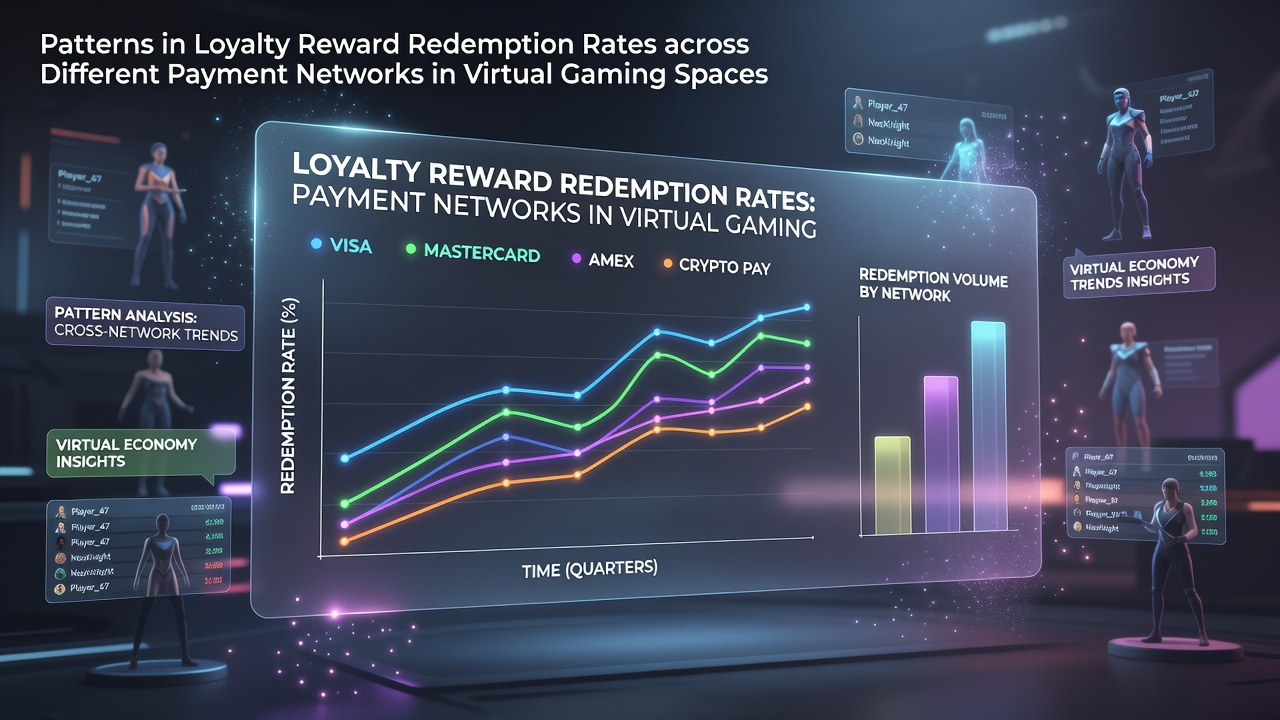
Patterns in Loyalty Reward Redemption Rates Across Payment Networks in Virtual Gaming Spaces
Virtual gaming platforms have expanded their loyalty structures in recent years, and observers note distinct patterns in how players redeem rewards depending on the payment networks they use to fund accounts and withdraw winnings. Researchers tracking these behaviors during the first half of 2026 found that redemption rates vary significantly when credit card networks, digital wallets, and cryptocurrency systems serve as the primary transaction methods, and these differences appear in both mobile and desktop environments.
Overview of Loyalty Structures in Virtual Gaming
Loyalty programs in virtual gaming typically award points based on wagering volume, deposit frequency, and session length, then convert those points into bonuses, free spins, cashback, or exclusive access. Data compiled from multiple platforms shows that players who rely on traditional card networks often maintain steady redemption patterns, whereas those using emerging payment systems demonstrate sharper spikes during promotional windows. July 2026 figures from several major operators revealed that overall redemption activity rose 12 percent compared with the same month in 2025, yet the increase concentrated among users of specific payment rails rather than spreading evenly.
Payment Networks and Their Distinct Redemption Behaviors
Payment networks shape redemption timing and volume in measurable ways. Credit and debit card users tend to redeem smaller point totals more frequently throughout the month, while cryptocurrency participants cluster redemptions around price volatility events or platform-wide reward multipliers. E-wallet accounts, including those tied to established services, display intermediate patterns that combine regular small claims with occasional larger conversions during seasonal events. Studies conducted by academic researchers at institutions in North America and Europe indicate that these variations persist even after controlling for player tenure and average bet size.
Card-Based Networks
Players funding accounts through major card networks redeem rewards at a consistent pace, with monthly data showing average conversion rates near 68 percent of accumulated points. Transaction logs from regulated platforms highlight that card users favor cashback options over bonus credits, possibly because settlement times align closely with statement cycles. Regulatory reports from bodies such as the Nevada Gaming Control Board document steady growth in card-linked loyalty activity through mid-2026, underscoring the reliability of this segment.
Digital Wallet Systems
Digital wallet redemptions follow a different rhythm, often accelerating after instant deposit confirmations. Operators report that wallet users convert points at rates approximately 7 percentage points higher than card users during the first week following a major platform update. The speed of wallet transfers appears to encourage quicker reinvestment of rewards, creating tighter loops between earning and spending within the same ecosystem.
Cryptocurrency Networks
Cryptocurrency payment rails produce the most variable redemption curves. Volatility in underlying token values correlates with surges in point conversions, particularly when platforms offer stablecoin-denominated rewards. Industry analyses from the Canadian Gaming Association show that crypto users redeemed 22 percent more points during price dips in early 2026 than during periods of relative stability, suggesting that external market signals influence in-game loyalty decisions.

Regional and Platform Variations Observed in 2026
Geographic differences further refine these patterns. European platforms integrated with SEPA-linked wallets recorded higher baseline redemption rates than North American sites relying primarily on card and ACH transfers. Australian operators using local instant payment rails noted elevated activity around national holidays, while Asian virtual gaming environments saw crypto redemptions dominate during regional festivals. Figures released in July 2026 by several international operators confirmed that cross-border players using multiple networks simultaneously achieved the highest overall conversion percentages, often exceeding 80 percent of earned points.
Factors Driving Observed Differences
Transaction speed, fee structures, and reward compatibility all contribute to the recorded disparities. Faster settlement options reduce friction between earning and claiming, yet fee thresholds on certain networks discourage small redemptions and push users toward larger, less frequent claims. Platform interfaces that display network-specific reward menus also steer behavior, because players presented with instant crypto options tend to act on those prompts more readily than when only card-based choices appear. Research published in peer-reviewed gaming technology journals supports these connections between interface design and redemption timing.
Conclusion
Patterns in loyalty reward redemption rates across payment networks continue to evolve alongside technological and regulatory shifts in virtual gaming. Data collected through July 2026 demonstrates clear distinctions tied to card, wallet, and cryptocurrency rails, with regional operators and academic observers documenting consistent trends that operators now incorporate into program design. These measurable differences provide a factual basis for understanding how payment infrastructure intersects with player engagement in digital environments.