Mapping Player Navigation Habits to Strategic Shifts in Digital Slot Experiences
Written by Gisela Schmidt · May 30, 2026
Mapping Player Navigation Habits to Strategic Shifts in Digital Slot Experiences
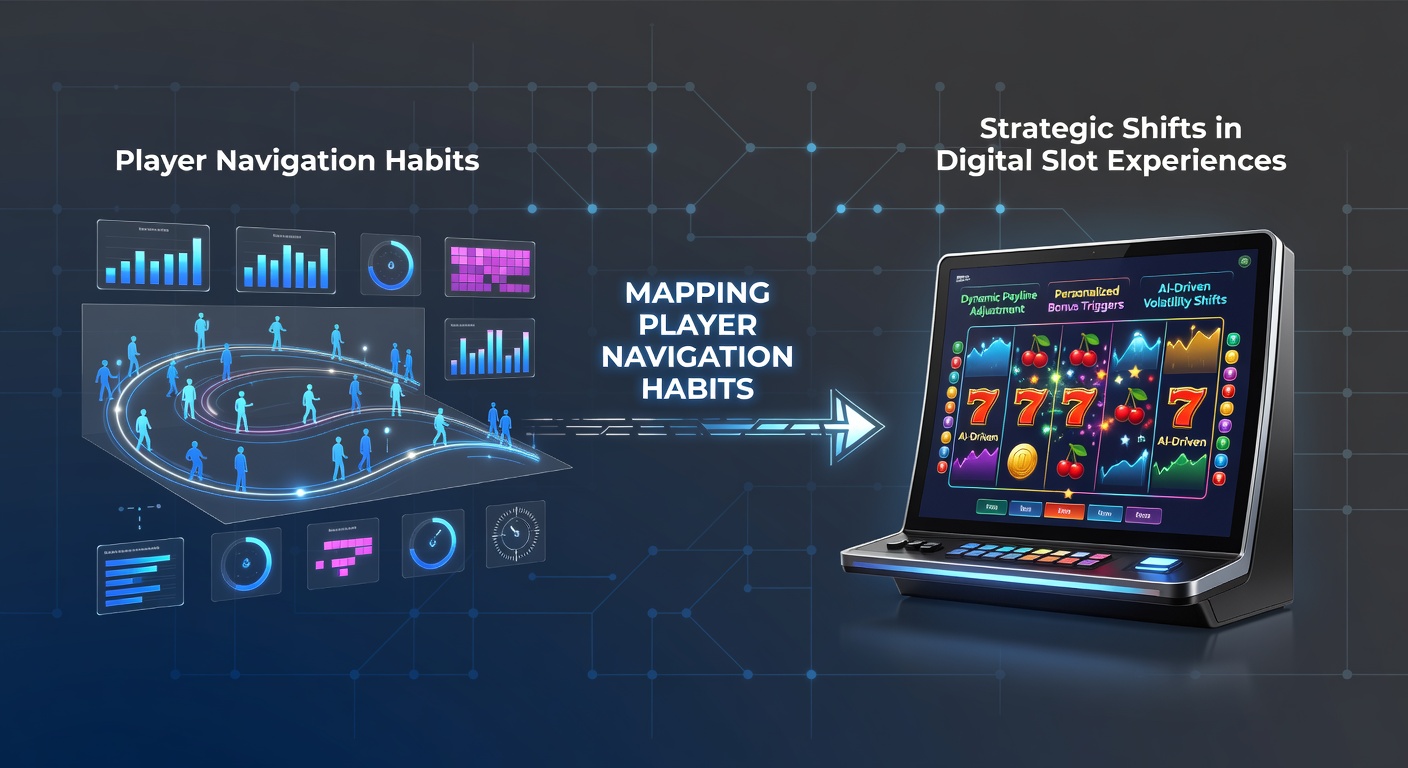
Digital slot platforms collect detailed information on how players move through menus, bonus rounds, and paytable sections, and operators translate those movement patterns into adjustments for game layouts, feature placement, and reward timing across 2026 releases.
Tracking Navigation Patterns in Real Time
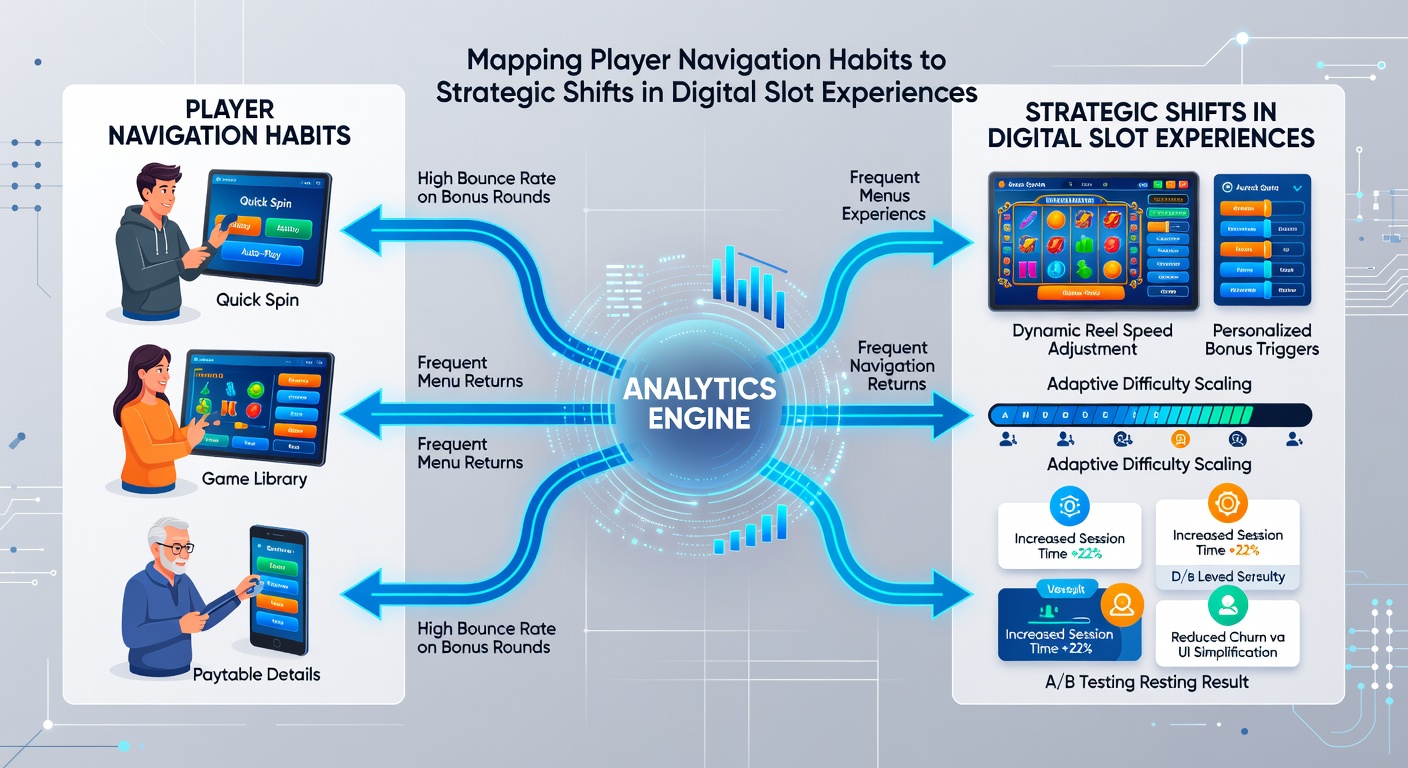
Analytics teams record click sequences, dwell times on specific reels, and transitions between auto-spin settings and manual controls; these records reveal whether frequent players favor quick access to paylines or spend longer exploring volatility indicators before committing credits. Data sets from major platforms show clusters of activity around progressive jackpot meters and scatter symbol previews, prompting developers to reposition those elements closer to the initial spin interface in updated titles released after January 2026.
Heat-mapping tools highlight repeated returns to the bet-size slider during losing streaks, while session logs indicate shorter overall play intervals when players encounter complex multi-level bonus triggers without clear visual cues. Operators respond by simplifying those triggers in subsequent software patches, reducing the number of confirmation screens required before a bonus round begins.
From Raw Movement Data to Design Adjustments
Navigation logs feed directly into A/B testing cycles where one version of a slot presents a persistent quick-bet panel on the left edge and another keeps the panel hidden until a player taps a specific icon; results tracked through May 2026 indicate higher completion rates for full sessions when the panel remains visible throughout the base game. Developers then carry those findings into new releases, locking the visible panel as a default setting across multiple studios.
Scroll depth measurements on mobile versions further show that players rarely reach the lower third of the paytable screen when it appears as a separate overlay, leading studios to integrate key payout information as expandable tooltips that appear directly above active reels instead. This shift eliminates an extra navigation step and keeps the main game view uninterrupted.
Regional Regulatory Context and Reporting Standards
North American and Australian regulators require operators to document how player behavior data influences game parameters, and reports submitted to bodies such as the Nevada Gaming Control Board and the Australian Communications and Media Authority include summaries of navigation-derived changes to return-to-player percentages and feature frequencies. These filings note that adjustments based on movement tracking have produced measurable shifts in average session length without altering overall payout ratios.
Case Examples from Platform Updates
One major European operator restructured its lobby navigation after logs revealed that players bypassed new releases in favor of previously played titles located on teh second page of results; the studio moved high-engagement mechanics from older games into the newest titles and placed those titles at the top of category lists, resulting in increased trial rates during the first quarter of 2026. Another platform observed frequent exits during loading screens that required account verification mid-session and introduced a persistent login token that removed the interruption, cutting early session terminations by measurable margins according to internal metrics.
University-affiliated research groups have examined aggregated navigation datasets from licensed platforms and identified consistent patterns where players who explore free-spin previews within the first thirty seconds of a session maintain longer overall play periods. Developers now embed abbreviated preview animations directly into the base reel display rather than routing users through a separate menu, a change documented in multiple software update notes circulated in spring 2026.
Future Integration with Personalization Engines
Navigation data combines with deposit history and device type to create individualized interfaces that surface different feature sets for each account; players who consistently access the settings menu receive earlier prompts for customized sound and speed options, while those who stay within default configurations encounter streamlined layouts with fewer visible controls. These personalization layers continue to expand as platforms prepare for the second half of 2026, incorporating real-time adjustments based on the most recent thirty minutes of observed movement.
Conclusion
Navigation habit mapping supplies operators with concrete indicators for refining digital slot interfaces, from menu placement to bonus timing, and regulatory filings confirm that these refinements appear in production releases throughout 2026. The process relies on continuous collection of movement metrics and iterative testing cycles that connect observed player paths to measurable changes in game structure.