Linking Ambient Soundscapes to Bet Adjustment Behaviors in Portable Roulette Experiences
Written by Wendy Werner · Jul 20, 2026
Linking Ambient Soundscapes to Bet Adjustment Behaviors in Portable Roulette Experiences
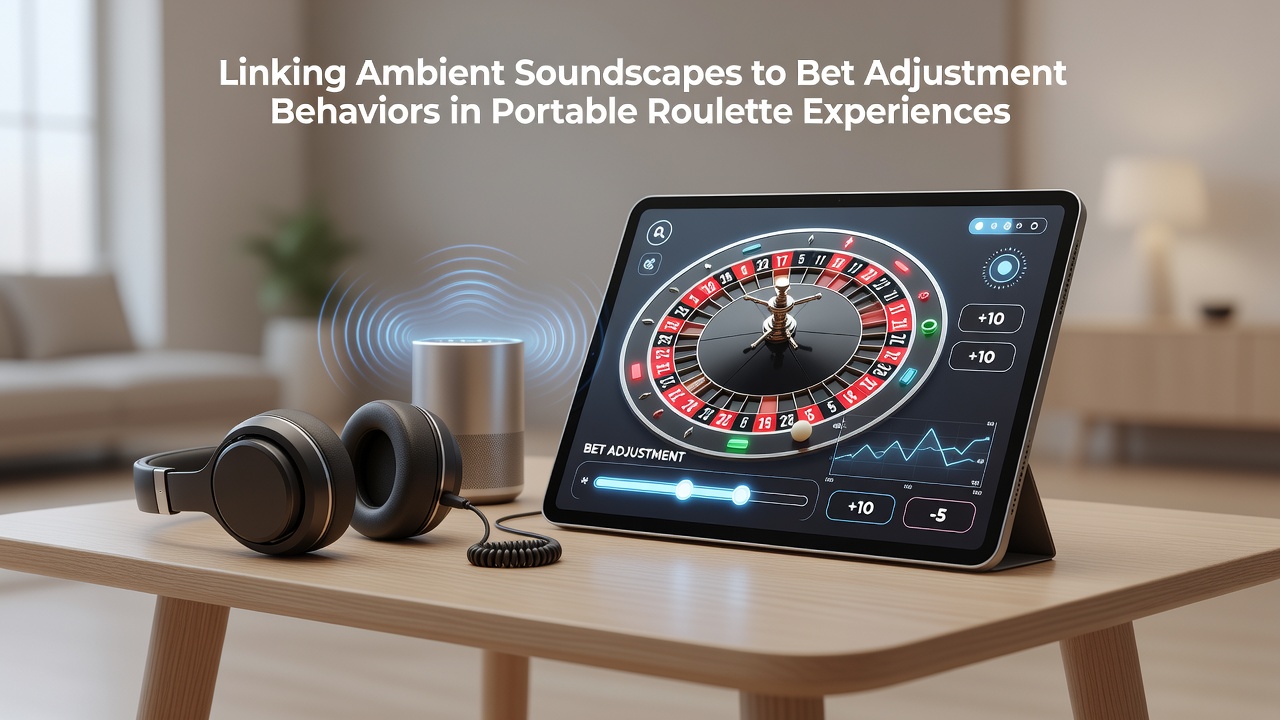
Portable roulette applications have incorporated layered ambient soundscapes that include subtle crowd murmurs, wheel spins, and background tones designed to replicate physical casino environments, and researchers have begun mapping these audio elements directly to observed changes in bet sizing and frequency during live sessions throughout 2026. Data collected from multiple mobile platforms shows that players exposed to continuous low-volume ambient tracks tend to increase single-number wagers by measurable margins compared with sessions that run without sound, while those same users reduce outside bet volumes when the audio shifts toward higher-frequency tones or intermittent silences.
Audio Design Elements in Mobile Roulette Platforms
Development teams at major software providers have refined sound libraries that respond dynamically to user activity, adjusting volume and texture based on bet history and session duration, and these adaptive systems create environments where players encounter familiar casino acoustics even while using handheld devices in varied physical settings. Observers note that wheel spin sounds and chip placement effects remain consistent across iOS and Android versions, whereas background layers vary by region to align with local regulatory guidelines on digital gambling interfaces.
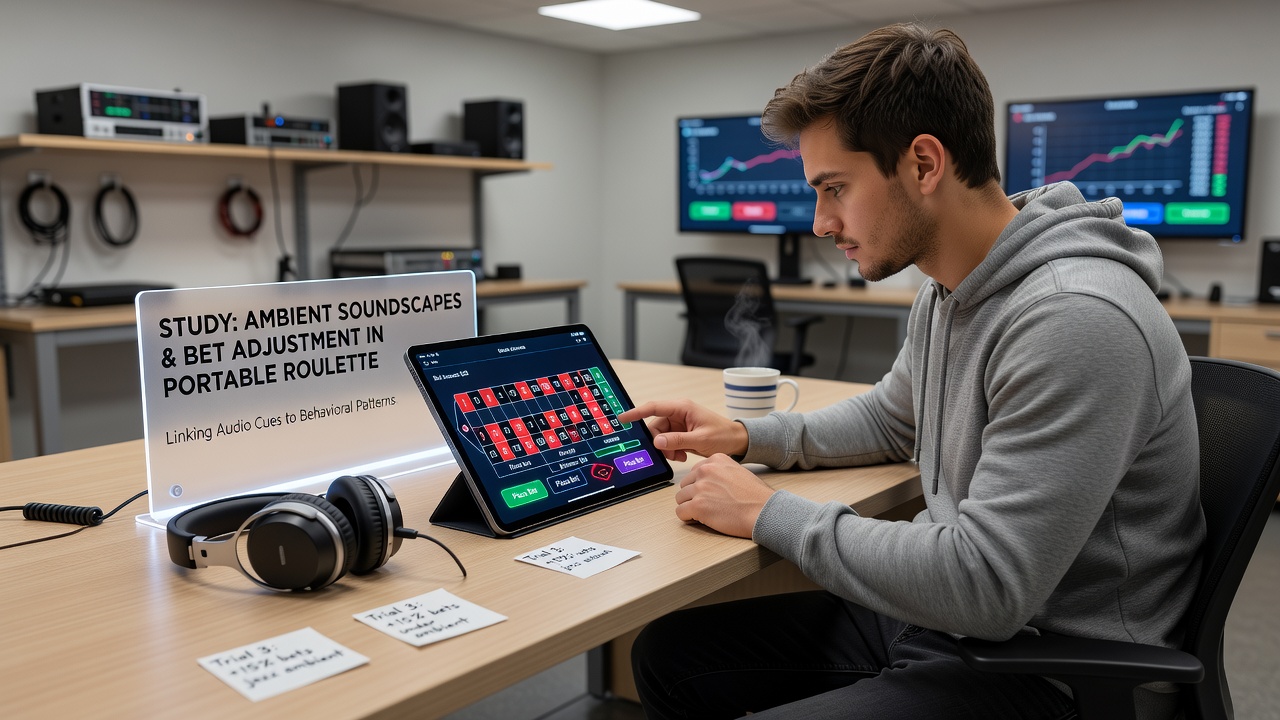
Studies conducted by academic teams at institutions in North America and Asia have isolated specific frequency ranges that correlate with quicker decision cycles during roulette rounds, and findings indicate that mid-range ambient layers encourage more frequent inside bet placements whereas higher-pitched overlays coincide with wider use of column and dozen options. July 2026 platform updates introduced optional sound profiles that users can toggle, allowing direct comparison of behavior under controlled audio conditions without leaving the application.
Observed Patterns in Bet Adjustments
Analytics from licensed operators reveal that sessions featuring steady ambient loops show elevated rates of progressive bet increases after consecutive losses, whereas muted or custom sound settings produce steadier outside-bet patterns over equivalent time frames. Platform logs compiled during the first half of 2026 demonstrate that players who activate full soundscapes complete an average of 12 percent more rounds per hour while also displaying wider variance in chip denominations selected after each spin outcome.
One dataset compiled across European and Australian operators highlights that ambient crowd noise layered beneath wheel effects prompts more conservative hedging on even-money positions when the audio volume exceeds a documented threshold, and the same reports note that removal of those layers returns bet distributions closer to baseline patterns established in silent test environments. Regulatory summaries issued by the Nevada Gaming Control Board during mid-2026 reference similar audio-behavior linkages in mobile table game reporting, underscoring the need for continued monitoring of interface variables.
Regional Data and Platform Comparisons
Operators serving markets in the United States, Canada, and parts of the Asia-Pacific region have supplied anonymized session data that researchers cross-reference against sound settings enabled by default, and preliminary cross-tabulations indicate stronger bet-size responsiveness among users in urban environments where background noise from real-world surroundings interacts with in-app audio. Canadian provincial reports released in spring 2026 documented parallel trends in digital roulette engagement when ambient features remained active versus disabled, while Australian research groups have begun longitudinal tracking to determine whether these adjustments persist across multiple weeks of play.
Platform developers continue to test variations in reverb and spatial audio rendering that simulate movement around a physical roulette table, and early results suggest these three-dimensional sound fields further influence the timing of bet changes, particularly when players switch between portrait and landscape orientations mid-session. Industry associations tracking mobile gambling metrics have noted that such audio refinements coincide with broader adoption of personalized sound toggles introduced in July 2026 updates.
Future Monitoring and Interface Refinements
Continued collection of behavioral telemetry paired with audio configuration logs will allow operators and regulators to refine guidelines around optional sound features, and current trajectories point toward greater granularity in how platforms present ambient choices at the start of each session. Those monitoring portable roulette trends expect additional studies from academic partners in multiple jurisdictions to clarify causal pathways between specific sound frequencies and measurable shifts in wager patterns over extended periods.
Conclusion
Available evidence from operator analytics, regulatory summaries, and academic reviews establishes measurable connections between ambient soundscapes and bet adjustment behaviors in portable roulette environments, with data patterns emerging consistently across regions and device types during 2026. Ongoing refinements in audio delivery and session tracking will supply further detail on these relationships as platforms evolve to meet both user preferences and oversight requirements.