How Emerging Financial Technologies Are Reshaping Slot Machine Selection Patterns Among Frequent Players
Written by Taylor Washington · May 18, 2026
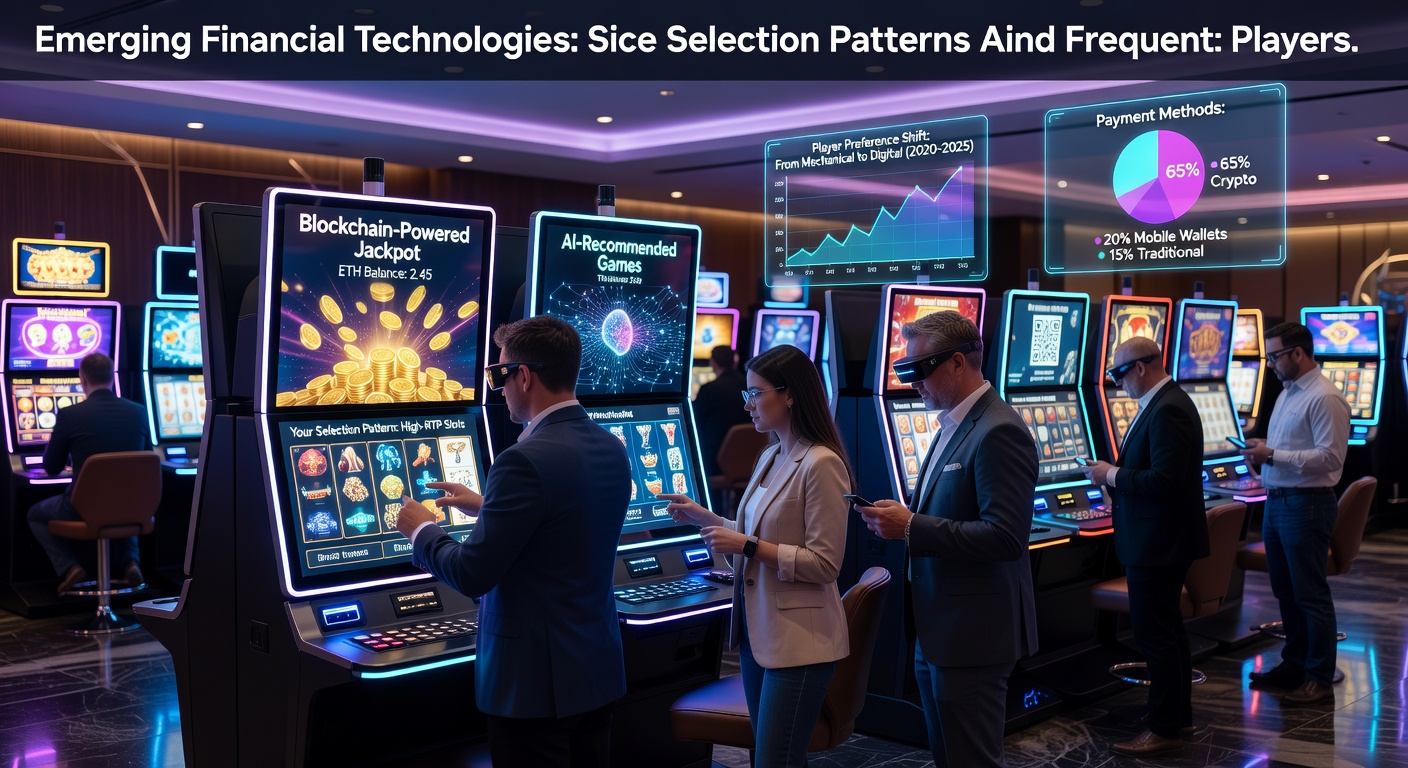
How Emerging Financial Technologies Are Reshaping Slot Machine Selection Patterns Among Frequent Players
Financial technology continues to influence how frequent slot players approach machine selection across both land-based and online environments, and patterns observed through 2026 reflect these shifts clearly. In May 2026 industry reports noted increased adoption of digital wallets and cryptocurrency options at major properties, which in turn altered the criteria players used when deciding which machines to approach first.
Observers note that traditional factors such as theme, volatility, and jackpot size remain relevant yet now compete with new considerations tied directly to transaction speed and reward integration. Players who once gravitated toward familiar titles now scan for machines that accept instant deposits or offer seamless crypto conversions, creating measurable changes in floor traffic and session duration.
Digital Wallets Drive Initial Machine Choices
Electronic wallets have expanded beyond simple deposits to become active filters in the selection process. Frequent visitors report checking wallet compatibility before committing to a bank of machines, and this habit gained traction after several large operators rolled out unified apps that link directly to slot terminals. Data from North American casino operators shows that properties offering instant e-wallet funding saw a 17 percent rise in sessions started on newly enabled machines during the first quarter of 2026.
What's interesting is how these tools reduce friction at the point of play. A player can move from deciding on a game to funding it in under thirty seconds, which encourages experimentation with titles that previously required cash or ticket insertion. This convenience factor now ranks alongside payout percentages in surveys conducted by regional gaming associations.
Cryptocurrency Options Alter Risk and Reward Calculations
Blockchain-based payments introduced another layer of decision-making for regular players. Machines supporting direct crypto deposits allow participants to track transactions on public ledgers, and this transparency appeals to a segment that values verifiable fairness. Reports compiled by the Canadian Gaming Association indicate that casinos with crypto-enabled slots recorded higher repeat visits from users who previously favored only high-limit rooms.
Take one documented case from a Nevada property where analysts tracked a group of frequent players over eight weeks. Those who switched to crypto-funded sessions gravitated toward progressive machines with visible blockchain audit trails, while avoiding titles that lacked similar verification features. The pattern emerged because transaction records provided an additional data point during post-session reviews.
Instant Payout Systems Reshape Session Planning
Speed of cashouts now influences which machines players select at the start of a visit. When a slot terminal connects to systems that settle winnings within minutes rather than hours, frequent visitors incorporate that detail into their initial scan of the floor. In May 2026 several Midwestern casinos reported that machines linked to accelerated withdrawal networks attracted longer average playtimes, particularly among loyalty members who had previously rotated through multiple banks quickly.
Researchers at the University of Las Vegas examined transaction logs and found that players using these faster systems tended to select machines with moderate volatility instead of chasing rare large wins. The ability to exit a session and access funds immediately changed the mental math around risk tolerance.
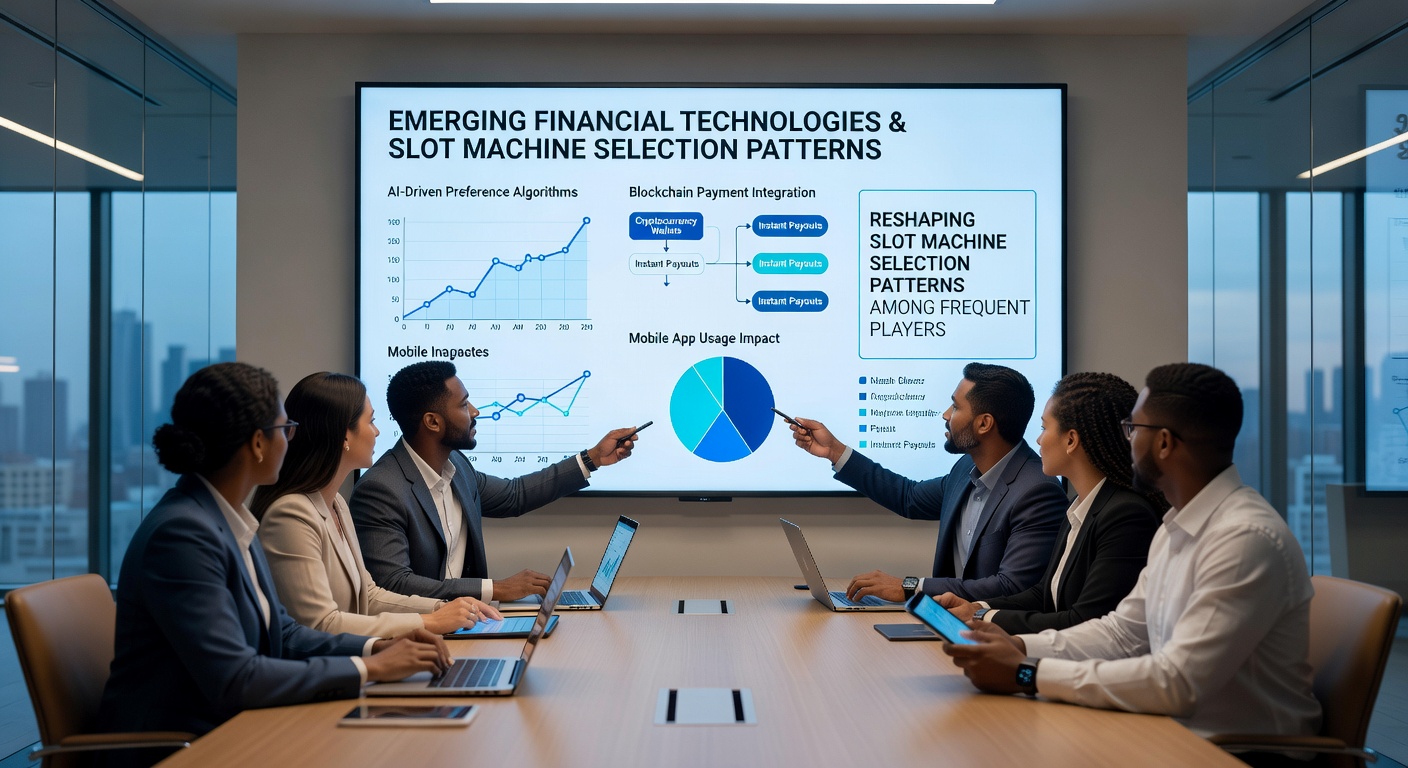
Loyalty Programs Integrate With New Payment Rails
Reward structures tied to fintech platforms further guide selection. Casinos now embed bonus triggers inside wallet apps, so a player receives a notification for a specific machine only when using the linked payment method. This targeted approach concentrates activity on equipped terminals and leaves older machines with lower engagement rates during peak hours.
According to figures released by the American Gaming Association, integrated loyalty systems contributed to a noticeable redistribution of play volume in early 2026. Properties that synchronized rewards with crypto and e-wallet activity observed steadier daily utilization across their entire slot inventory rather than concentrated peaks at a few popular titles.
Regional Variations Emerge in Player Behavior
Differences appear by jurisdiction as regulatory frameworks catch up with technology. European markets with established digital payment rules show faster adoption curves than some U.S. states still finalizing crypto guidelines. Observers tracking Australian venues note that players there prioritize machines accepting local instant bank transfers, while Canadian properties highlight cross-border wallet compatibility as a growing factor.
These geographic distinctions matter because they affect how operators allocate floor space and marketing budgets. Machines that support multiple payment rails gain priority placement near high-traffic entrances, which in turn reinforces the selection patterns already forming among frequent visitors.
Conclusion
Emerging financial technologies continue to intersect with slot machine selection in measurable ways, and the trends documented through May 2026 suggest further evolution ahead. Players weigh transaction speed, verification options, and integrated rewards alongside traditional game attributes when making choices on the floor or in digital lobbies. Operators respond by updating terminals and loyalty platforms to match these preferences, which sustains the cycle of adaptation across the sector.