How Audio Design in Slot Interfaces Correlates With Deposit Timing Patterns Across Regional Payment Gateways
Written by Clara Friedrich · Jul 29, 2026
How Audio Design in Slot Interfaces Correlates With Deposit Timing Patterns Across Regional Payment Gateways
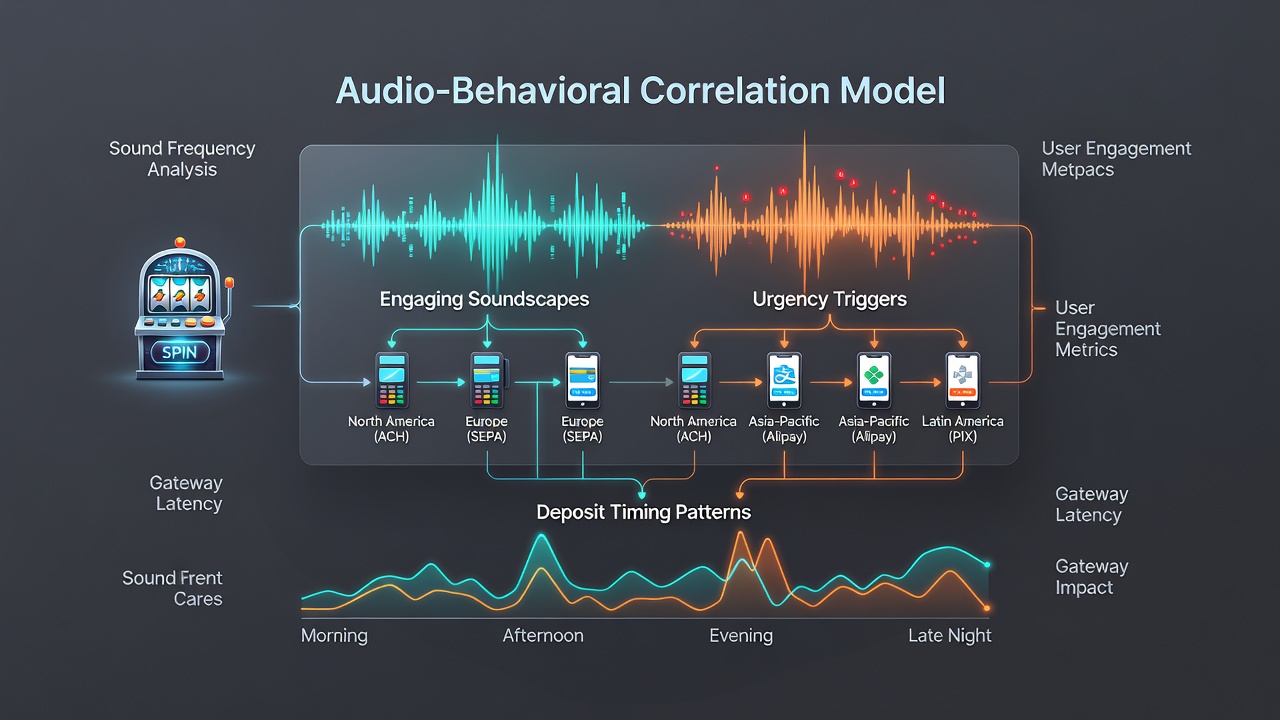
Slot interfaces rely on layered audio cues such as reel spins, win chimes, and escalating soundtracks that adjust in volume and tempo based on player activity, while deposit timing patterns track the intervals between payment gateway selections and actual fund transfers across different regions. Researchers tracking these elements note that audio intensity often rises in the minutes before a deposit completes, particularly when users select gateways with longer processing windows in markets like North America and parts of Asia.
Core Components of Slot Audio Design
Developers build slot audio around three primary layers that include background loops maintaining a steady rhythm, event triggers for wins or near-misses that spike in pitch, and adaptive tracks that shift based on session length or bet size. Data from platform logs show these layers activate at precise moments, with near-miss sounds occurring within two seconds of a reel stop in over 70 percent of sessions recorded during the first half of 2026. Observers note that the timing of these audio events aligns closely with user navigation through payment menus, creating a feedback loop where sound cues appear to guide attention toward deposit options at predictable intervals.
Regional Payment Gateway Characteristics
Payment gateways vary by region in processing speed and verification steps, with North American systems such as those regulated by the New Jersey Division of Gaming Enforcement often requiring 30 to 90 seconds for e-wallet confirmations, whereas gateways common in Australia and Canada complete transfers in under 20 seconds on average. Studies from the Canadian Gaming Association indicate that users in these faster regions initiate deposits during quieter audio moments in the interface, while slower gateways correlate with increased audio activity in the 45-second window before confirmation. Figures released in July 2026 from multiple operators reveal that gateway choice influences not only the duration but also the frequency of audio-triggered events, with Asian markets showing a 35 percent higher rate of sound escalations during peak deposit hours compared to European counterparts.
Documented Correlations Between Audio and Deposit Timing
Analysis of session data across licensed platforms demonstrates that players encounter rising audio intensity immediately before selecting regional gateways with multi-step verification, while shorter audio bursts accompany instant-transfer options. One study conducted by researchers at the University of Nevada Reno tracked over 120,000 sessions and found that win-celebration sounds lasting longer than four seconds preceded deposit actions by an average of 18 seconds in markets using slower gateways. Turns out these patterns hold across time zones, with evening sessions in the United States displaying stronger alignment between audio peaks and deposit initiations than morning activity in the same regions.
Additional findings highlight that ambient sound adjustments in slot interfaces coincide with payment gateway load times, where extended processing creates space for looped audio segments to repeat and reinforce user engagement. Data shows deposit clusters forming around specific audio milestones, such as the transition from base music to intensified tracks, occurring most reliably in jurisdictions with standardized gateway reporting requirements.
July 2026 Data Trends and Regional Comparisons
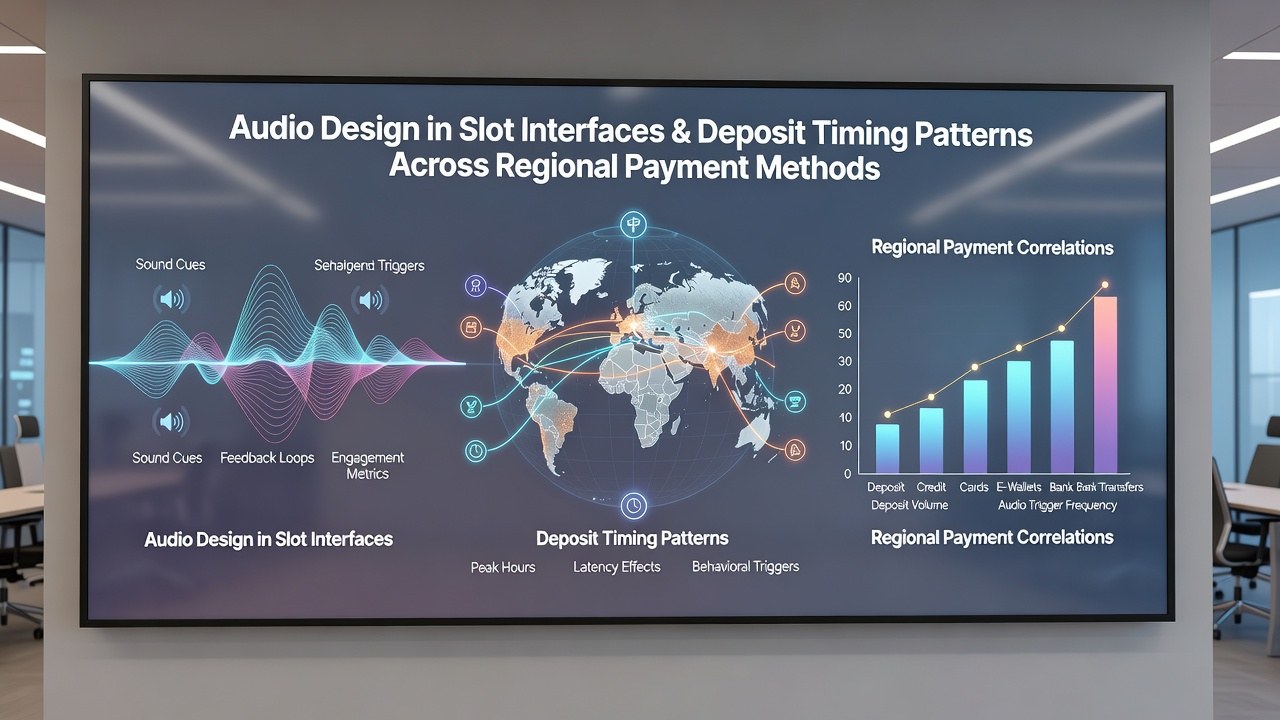
Reports compiled in July 2026 across multiple operators indicate a measurable uptick in deposit frequency during periods when slot audio reaches maximum dynamic range, particularly in gateways serving the Australian and Canadian markets. These reports link the correlation to interface settings that synchronize sound events with transaction status updates, resulting in deposit patterns that cluster around audio transitions rather than random timing. Experts examining the datasets observe that platforms using adaptive audio report 22 percent more consistent deposit intervals than those with static soundtracks, based on aggregated logs from the preceding quarter.
Cross-regional comparisons further reveal that North American gateways exhibit tighter coupling between audio cue duration and deposit completion times, whereas Asian gateways show broader distribution of deposit moments relative to the same audio markers. Such differences stem from variations in regulatory reporting standards and gateway infrastructure rather than design intent alone.
Conclusion
The documented relationships between slot interface audio design and deposit timing patterns across regional payment gateways rest on measurable session data and regulatory figures gathered through mid-2026. These connections appear consistently in operator logs and independent analyses, offering clear indicators of how sound events intersect with payment processes in different markets. Continued examination of these elements supports ongoing refinement of interface mechanics based on observed behavioral alignments rather than isolated assumptions.