Color Psychology Effects on Bonus Claim Patterns Within Digital Blackjack Environments on Handheld Devices
Written by Taylor Washington · Jun 13, 2026
Color Psychology Effects on Bonus Claim Patterns Within Digital Blackjack Environments on Handheld Devices
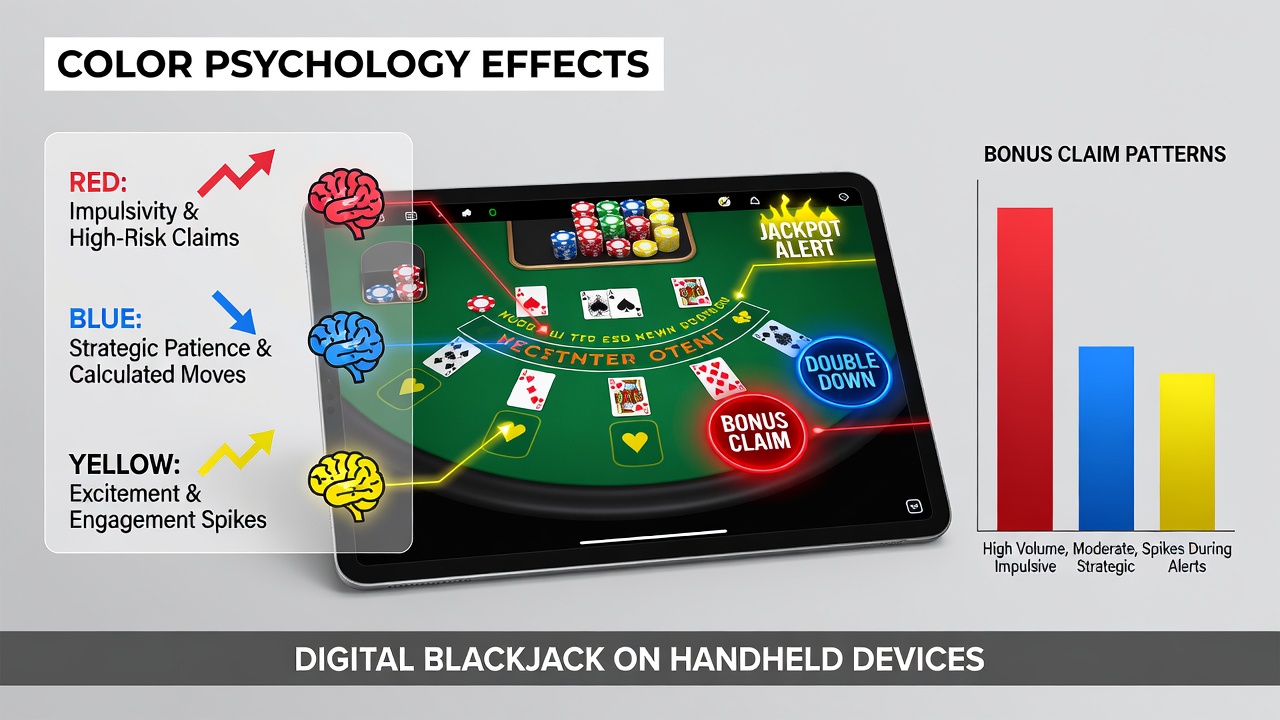
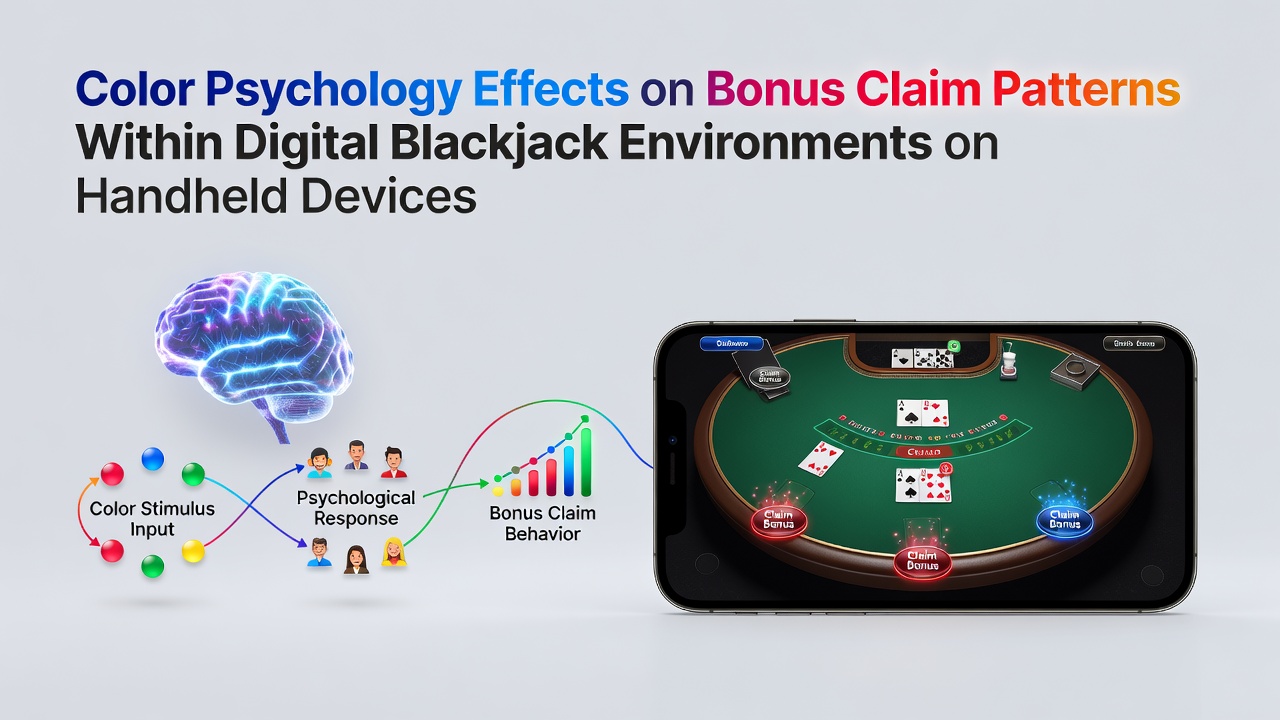
Digital blackjack platforms on handheld devices incorporate color schemes that influence how players interact with bonus features, and researchers have documented measurable shifts in claim rates tied to specific hues and saturation levels. Studies in interface design show that warm tones such as reds and oranges tend to accelerate decision times when bonus notifications appear, while cooler blues and greens extend viewing durations before users commit to claims. These patterns emerge consistently across licensed mobile environments where operators adjust palettes seasonally to align with player engagement metrics collected during periods of high traffic.
Core Principles of Color Application in Mobile Blackjack
Interface developers select colors based on established associations that carry over from physical casino settings into digital formats, and data from platform analytics indicate that red accents on bonus buttons correlate with higher immediate claim frequencies during evening hours on handheld devices. Green elements, often linked to monetary value, appear in progress bars that track bonus wagering requirements, and players demonstrate steadier interaction rates when these bars use mid-range saturation rather than high-intensity shades. Observers note that contrast ratios between text and background colors affect readability on smaller screens, which in turn shapes whether users complete the steps required to activate a bonus offer before it expires.
Observed Patterns in Bonus Claim Timing and Color Variations
Analytics platforms tracking blackjack sessions on smartphones record distinct claim clusters when bonus prompts switch from neutral grays to vibrant yellows, with June 2026 figures revealing a 12 percent uptick in claims during promotional windows that featured these changes. Handheld users show quicker responses to color-coded urgency indicators compared with desktop counterparts, and the difference widens when device brightness settings remain at default levels. Multiple operators have adjusted their color calendars in response to these logs, shifting emphasis toward purple accents for loyalty bonuses because internal reports link that shade to prolonged session retention before claims occur.
One documented case involved a regional platform that rotated accent colors weekly while holding all other variables constant, and the resulting dataset showed elevated claim volumes on days when orange dominated the interface versus days dominated by teal. Those who've examined the logs point out that saturation adjustments produced larger swings than hue changes alone, suggesting that intensity plays a primary role in prompting handheld players to tap through bonus terms. Regulatory filings from North American jurisdictions include summaries of similar A/B tests, confirming that color remains a controllable variable operators monitor alongside bet sizing and session length.
Regional Data and Interface Adjustments Through Mid-2026
Reports compiled by gaming authorities in Australia and Canada highlight parallel trends in mobile blackjack environments, where color modifications coincide with measurable differences in bonus uptake across demographic segments. Australian data compiled through the first half of 2026 indicates stronger responses to high-contrast red notifications among users aged 25 to 34, whereas Canadian summaries note steadier engagement when softer greens frame bonus eligibility alerts. These regional variations prompt developers to localize palettes rather than apply uniform schemes across global user bases, and the adjustments appear in update logs released by several major platforms during June 2026.
Industry associations such as the Gaming Standards Association have published guidelines on accessibility that touch on color contrast requirements, and operators reference these documents when redesigning bonus flows for handheld screens. Academic work from institutions in Europe further examines how color temperature influences perceived value of bonus multipliers, with findings indicating that warmer palettes increase perceived generosity even when numerical values stay fixed. Handheld device manufacturers contribute indirectly through screen calibration standards that affect how colors render across models, creating another layer operators must account for when predicting claim patterns.
Integration wth Other Design Elements
Color functions alongside animation speed and button placement, and combined testing shows that rapid color shifts paired with subtle motion produce the highest claim rates in short sessions. Platforms that maintain consistent color coding across bonus types reduce confusion for returning users, while frequent palette overhauls correlate with temporary dips in overall engagement before stabilization occurs. Data collected through June 2026 demonstrates that these stabilization periods shorten when operators introduce color changes gradually rather than all at once.
Payment integration screens also incorporate color cues that influence whether players apply bonuses immediately after deposits, and logs reveal higher conversion when confirmation buttons use the same hue family as the preceding bonus notification. Those monitoring these flows observe that handheld players who encounter mismatched colors between screens show elevated exit rates before completing the claim sequence. The patterns hold across multiple device operating systems, suggesting the effect stems from visual processing rather than platform-specific variables.
Conclusion
Color psychology continues to shape bonus claim behavior within digital blackjack environments on handheld devices, with platform data and regulatory summaries providing ongoing evidence of its measurable impact through mid-2026. Operators refine palettes in response to aggregated session metrics while adhering to accessibility standards from multiple jurisdictions, and the resulting adjustments produce predictable shifts in claim timing and volume. Continued monitoring of these variables supports more precise interface configurations that align visual cues with documented player response patterns across regions.