Badge Systems and Alert Timing Connections to Volatility Choices in Smartphone Slot Sessions
Written by Taylor Washington · Aug 3, 2026
Badge Systems and Alert Timing Connections to Volatility Choices in Smartphone Slot Sessions
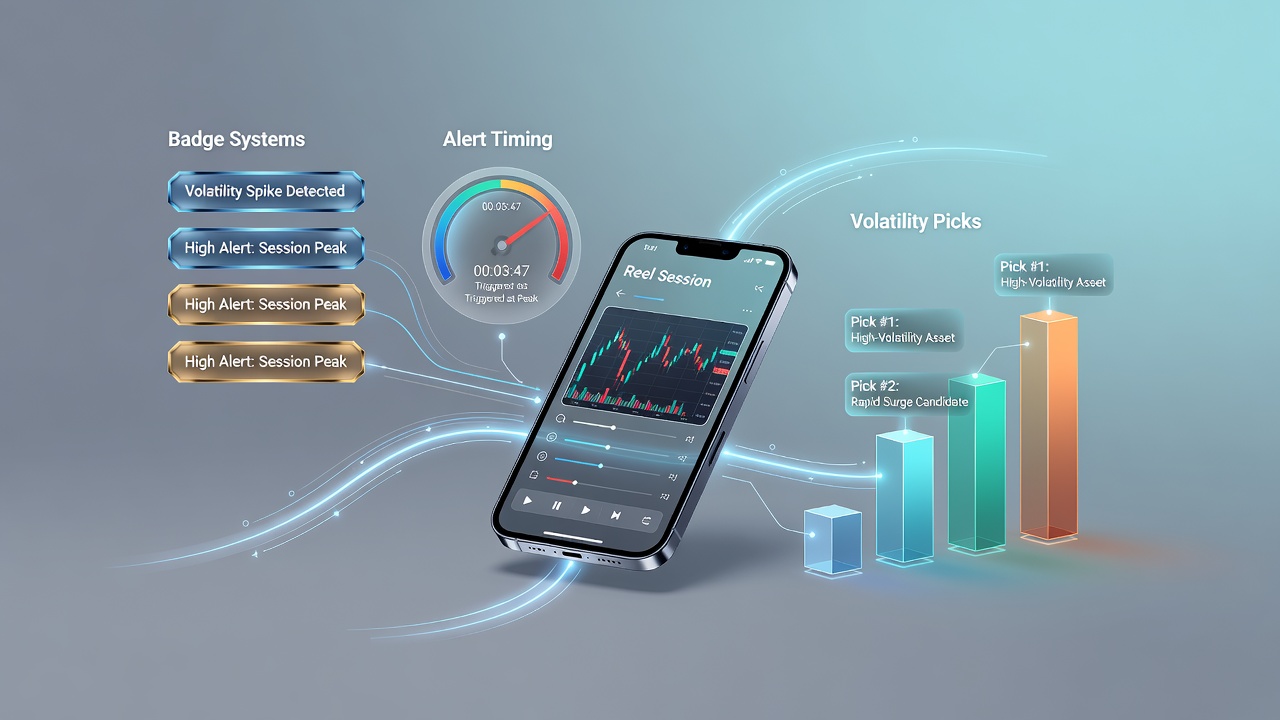
Badge systems in mobile casino applications assign visual markers for player milestones such as session duration, consecutive logins, and feature activations while alert timing governs when push notifications reach users about new rewards or session opportunities. Data from platform analytics in 2025 and 2026 shows measurable associations between these mechanics and selections of high or low volatility reel games on smartphones. Researchers tracking user paths note that badge progression often coincides with shifts toward specific volatility levels during extended mobile sessions.
Mechanics of Badge Systems in Mobile Reel Environments
Badge frameworks operate through tiered visual rewards that unlock after predefined action thresholds, and developers integrate them directly into reel interfaces so players see progress bars alongside spinning mechanics. Studies of app usage patterns indicate that users who accumulate multiple badges within a single week tend to favor medium to high volatility titles more frequently than those with fewer badges. Observers tracking navigation flows report that badge displays appear at key decision points, such as after a win streak or deposit completion, and these placements correlate with subsequent game selections recorded in server logs.
Platform operators adjust badge criteria seasonally, and figures from mid-2026 reveal increased issuance rates for volatility-related challenges that prompt players to sample different reel categories. Those who studied interaction data across regions found badge earners in North American markets adjusted their volatility picks more rapidly than users in Asian markets during the same periods.
Alert Timing Patterns and User Response Windows
Alert timing determines notification delivery intervals, with systems sending messages during peak engagement hours or immediately after badge unlocks. Evidence from mobile telemetry shows that alerts arriving within five minutes of a completed session increase the likelihood of immediate return visits where users select higher volatility reels compared with alerts sent after longer delays. Analysts examining time-stamped event data note that evening alerts, particularly those between 8 pm and 10 pm local time, align with elevated rates of high-volatility game launches across multiple device types.
Timing adjustments tested in controlled platform updates demonstrate that staggered alerts, spaced across several hours rather than clustered together, produce steadier patterns of volatility exploration without abrupt spikes in any single category. Data collected through August 2026 continues to track these intervals against reel selection logs, and the resulting datasets indicate consistent linkages between notification cadence and player movement across volatility tiers.
Documented Links Between Badges, Alerts, and Volatility Selections
Cross-referenced datasets from multiple operators reveal that players receiving badge completion alerts followed by targeted reel recommendations exhibit higher rates of switching to low-volatility options when the alert arrives shortly after a high-volatility loss sequence. Researchers at academic institutions have mapped these sequences and found that badge visibility combined with precise alert windows produces measurable changes in bet sizing and reel category preference within the same mobile session.
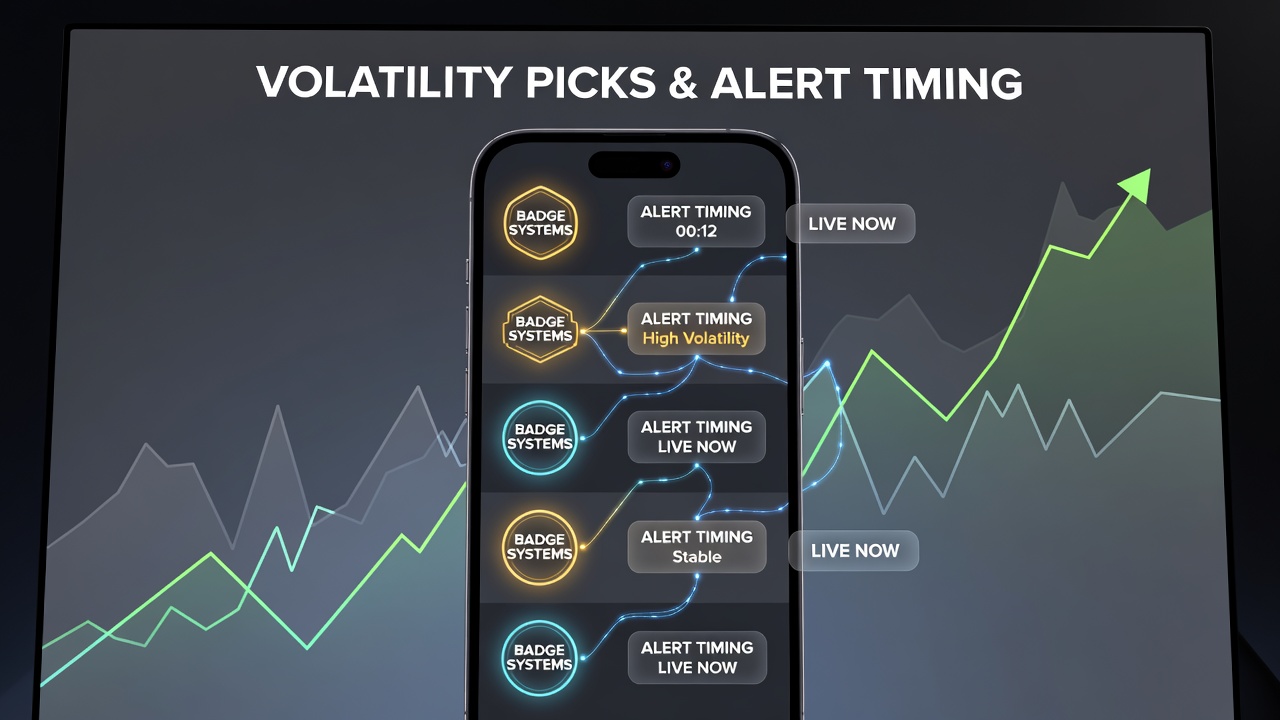
According to reports compiled by the American Gaming Association, mobile platforms that synchronize badge progress notifications with volatility filters record distinct shifts in game category engagement during August 2026. Parallel findings from the Australian Gambling Research Centre document similar correlations in handheld device data collected across comparable timeframes. These patterns appear in aggregated logs rather than individual accounts, and they hold across different operating systems and screen sizes.
Regional Observations and Platform Variations in 2026
North American and European operators implemented refined alert protocols during the first half of 2026, and subsequent data shows corresponding adjustments in volatility pick distributions during smartphone sessions. In markets where badge systems include volatility-specific challenges, users demonstrate increased sampling of previously untried reel types after receiving timed alerts. Platform logs indicate that shorter alert intervals correlate with quicker transitions between volatility levels, while longer intervals associate with more deliberate exploration of low-volatility options.
August 2026 figures continue to feed into ongoing studies examining how cumulative badge counts interact with alert frequency to shape long-term selection habits on portable devices. Observers note that these interactions remain consistent across both casual and frequent user segments when examined at the aggregate level.
Conclusion
Badge systems and alert timing together form measurable pathways that link to volatility selections in smartphone reel sessions, as evidenced by platform data and regional research compilations through 2026. Continued monitoring of these elements provides operators and analysts with concrete indicators of how mobile interface features influence game category engagement patterns.